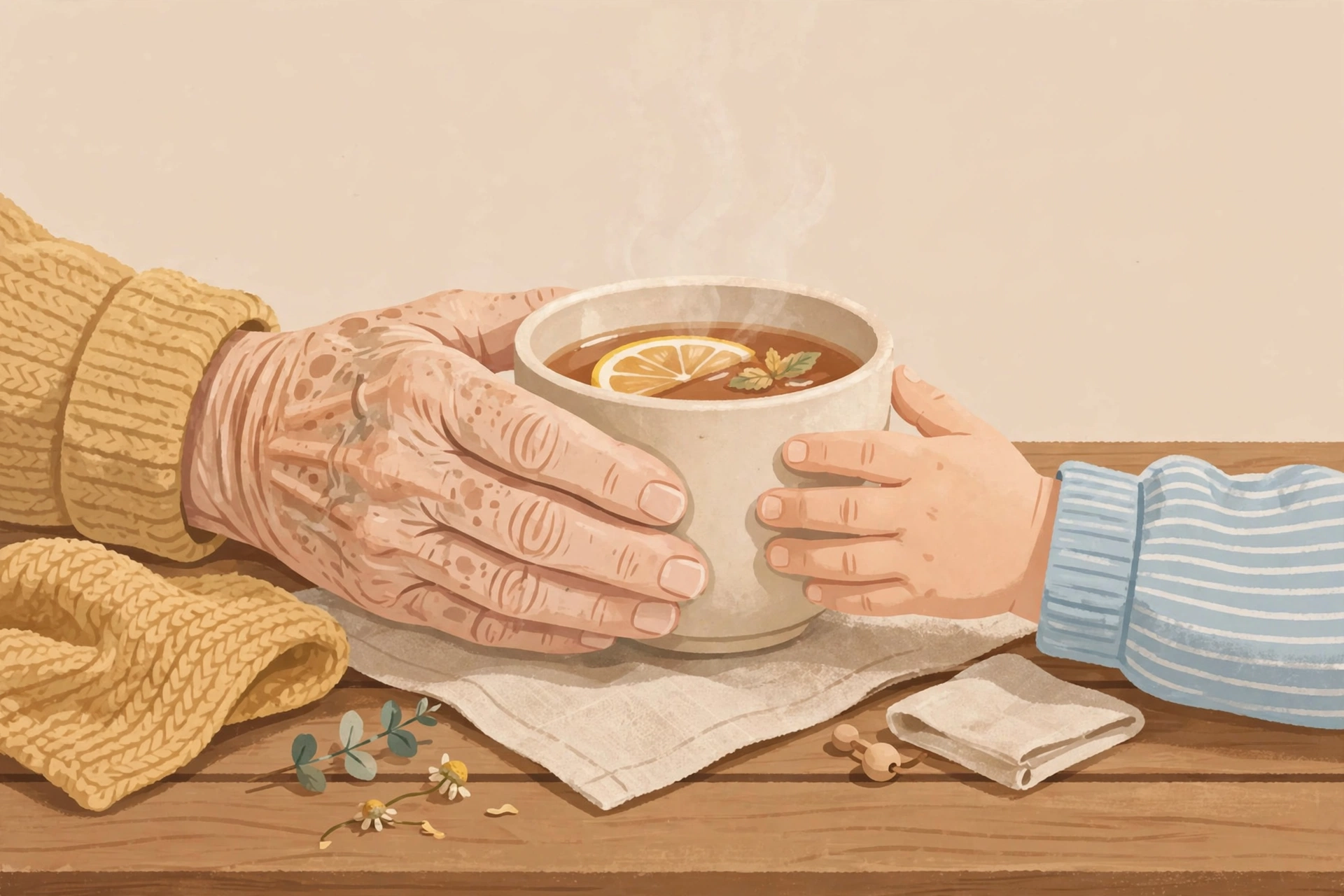
The Love That Never Announced Itself
Grandparents rarely say “I love you” the way movies do. There are no grand speeches, no dramatic gestures. Instead there is a plate kept warm, a sweater knitted without being asked, a hand that finds yours in a crowd. It is love at its quietest — and for many in Gen Z, it took growing up to realise just how loud that quiet love really was. These stories are about grandparents quiet love: the small, steady acts that only look small until you understand what they cost. Each story below shows grandparents quiet love in a different form.
1. The Plate Kept Warm
A young woman came home late from her first real job, tired and convinced nobody would notice. Her grandmother had left a plate in the oven, covered in foil, with a note: “Eat. You worked hard.” It was not a feast — rice, vegetables, a little chicken. But someone had thought about her hunger before she felt it. Years later, with her own busy life, she understood: that plate was not about food. It was someone saying, “Your day mattered to me.”
2. The Sweater That Took All Winter
A grandfather who had never been good with words spent an entire winter knitting a sweater for his grandson. It was not perfect — one sleeve was slightly longer than the other — but he had chosen the colour himself and worked on it every evening. The grandson, then a teenager, barely thanked him. Now, as an adult, he keeps that sweater in a drawer and wears it on the hardest days. He finally understands: some people say “I love you” with their hands, because the words are too small.
3. The Walk to School
Every morning, rain or shine, a grandmother walked her granddaughter to school — a twenty-minute walk she did not have to make. She never lectured or gave advice. She just walked, asked about the day ahead, and carried the heavy bag. The granddaughter only realised years later that those walks were the safest part of her childhood: twenty minutes, every day, when an adult was entirely hers.
4. The Money Folded in a Letter
When a young man left for university, his grandfather pressed an envelope into his hand. Inside was a small amount of money, folded into a handwritten letter that said, “For emergencies. Or for a good meal. Do not tell your grandmother.” It was not a fortune. But it was money his grandfather had quietly saved, and it meant the young man never had to choose between eating well and asking for help. Quiet love often looks like dignity, handed over in secret. The first five stories show grandparents quiet love as food, shelter, and quiet money.
5. The Stories at Bedtime
A grandmother who could not read well still told her grandchildren stories every night — stories she had heard as a child, retold from memory, with voices for every character. The grandchildren thought they were just entertainment. Only later did they realise what those stories were: a woman with little formal education giving her grandchildren the one treasure nobody could take away — imagination, language, and the feeling of being worth an hour of someone’s evening.
6. The Garden That Fed Everyone
A grandfather kept a small garden behind his house — tomatoes, herbs, beans — and insisted on feeding anyone who visited. Neighbours, cousins, the postman: everyone left with a bag of something. His grandchildren thought he was just old-fashioned. As adults, they understood the garden was his way of providing. He could not buy them much, so he grew what he could, and gave it away with both hands. Generosity, it turns out, does not require wealth.
7. The Call Every Sunday
For years, a grandmother called her granddaughter every Sunday at the same time — never late, never skipped. The calls were short and ordinary: weather, health, gossip. When the grandmother passed away, the granddaughter found herself waiting by the phone on Sundays, confused by the silence. That was when she understood: the calls were never about news. They were a weekly promise — “You are still the most important part of my week” — kept for years without fanfare.
8. The Repair Nobody Asked For
A grandson moved into his first apartment with a wobbly table, a dripping tap, and a door that would not close. One weekend, his grandfather arrived with a toolbox, fixed everything, and left before lunch — refusing payment, refusing praise. “That is what family is for,” he said. The grandson had expected a lecture about adult life. What he got was better: proof that love can be a screwdriver, a washer, and a morning of someone else’s time.
9. The Photo Album
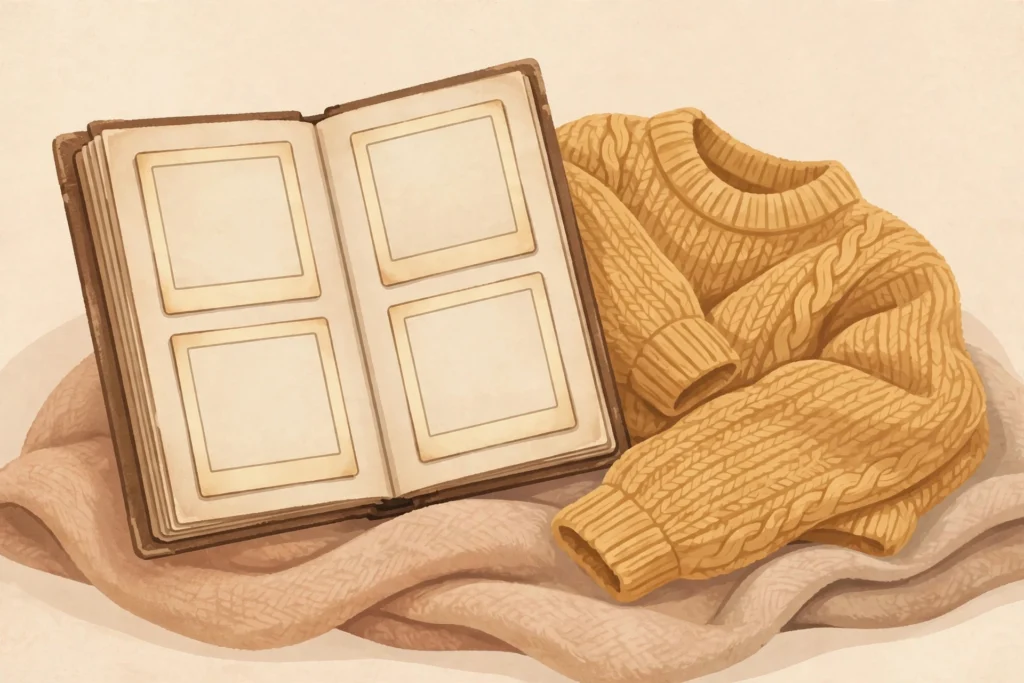
After her grandfather’s death, a young woman found an album he had kept: every photograph of her, from baby pictures to graduation, carefully labelled in shaky handwriting. She had never known he kept it. He had never shown it off. But for decades, he had been quietly collecting her life, one photo at a time. She cried — not only from grief, but from the realisation that she had been treasured far more carefully than she had ever guessed.
10. The Blessing at the Door
Every time his grandchildren left the house, a grandfather stood at the door and said the same words: “Go safely. Come back soon.” It sounded like nothing — a habit, a formality. But years later, one grandson realised that those words were the last thing he heard before every journey, and the first thing he remembered on every return. Quiet love is like that. It does not make a speech. It stands at the door, every single time, and waits until you are safely on your way.
Why Gen Z Is Noticing Now
Why is it this generation, of all people, that is suddenly writing about grandparents? Perhaps because Gen Z grew up online, where love is performed loudly — in posts, captions, and public gestures. Against that noise, grandparents quiet love stands out sharply. It asked for no audience, no likes, no credit. It simply showed up, day after day, and waited to be noticed.
There is a lesson in that. The people who love us most are often the ones who never say so in the way we expect. They say it in soup, in sweaters, in Sunday calls, and in doors held open. If your grandparents are still here, call them. Ask them about their own childhood. And if they are gone, remember them the way they loved you — quietly, steadily, and with everything they had. For more stories in this spirit, read these stories that remind us kindness lights the way forward, and these fun facts that will blow your mind. You may also enjoy these things you may have been doing wrong your whole life.
Frequently Asked Questions
What is grandparents quiet love? It is love shown through small, steady acts — food, care, time, and presence — rather than grand words or gestures. That is grandparents quiet love: steady, unpublicised, and lifelong.
Why is grandparents’ love often so quiet? Many grandparents grew up in times and cultures where love was shown through acts — food, work, care — rather than words. Their love is no smaller; it simply speaks a different language.
How can I appreciate my grandparents more? Call regularly, ask about their memories, and notice the small acts. A thank-you for the ordinary things means more than a grand gesture on a holiday.
What if my grandparents are no longer here? Keep their stories alive. Write down what you remember, cook their recipes, and pass their small kindnesses on to others. That is how quiet love keeps going.
Why do these stories resonate with Gen Z? Because in a loud, performative online world, steady, unpublicised love feels rare — and precious.