Your Body Talks — Learning to Listen Without Panicking
Your body sends signals all day: an itch, a twinge, a restless night, a few extra hairs on your pillow. Most of these signals are harmless. Skin changes with the seasons, muscles complain after a hard workout, and hair sheds every single day. Noticing them is useful — and most are not signs of health problems. Fearing them is not.
The skill is knowing which patterns are worth paying attention to — and which ones simply belong to normal life. The five signs below are common, usually benign, and worth understanding. None of them diagnoses anything on its own. Think of them as reasons to observe, note, and, when something persists or worries you, ask a doctor. This article is general information about health problems and everyday symptoms, not medical advice.
1. Small Red Bumps on Your Skin
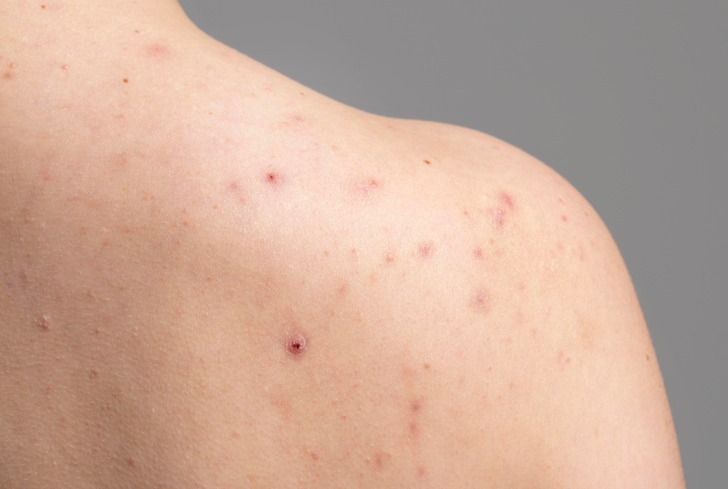
Tiny rough bumps on the upper arms, thighs, or cheeks are extremely common, especially in teenagers and young adults. They often come from a harmless skin condition in which dead skin cells and keratin build up around hair follicles, making the skin feel like sandpaper. It is not contagious, it is not caused by poor hygiene, and it usually fades with time.
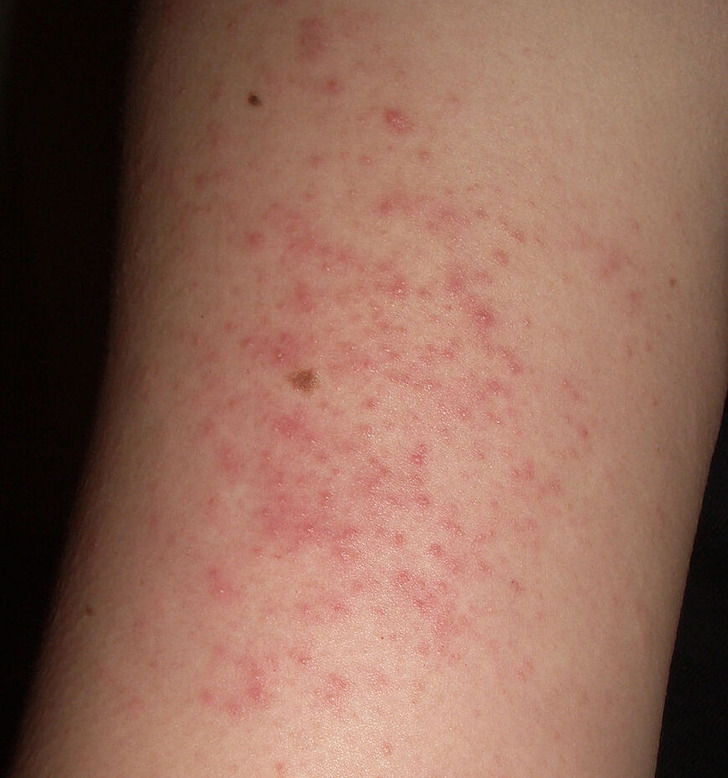
© Irja / Wikimedia Commons, © CC BY-SA 2.0
Gentle care helps more than aggressive scrubbing: lukewarm showers, fragrance-free moisturiser, and patience. Skip harsh exfoliants, which can irritate the skin and make the bumps look worse. Mention it at your next check-up if the bumps spread quickly, become painful, ooze, or come with a fever — those changes are worth a professional look, even though the usual cause is nothing serious.
2. Lines Across Your Neck
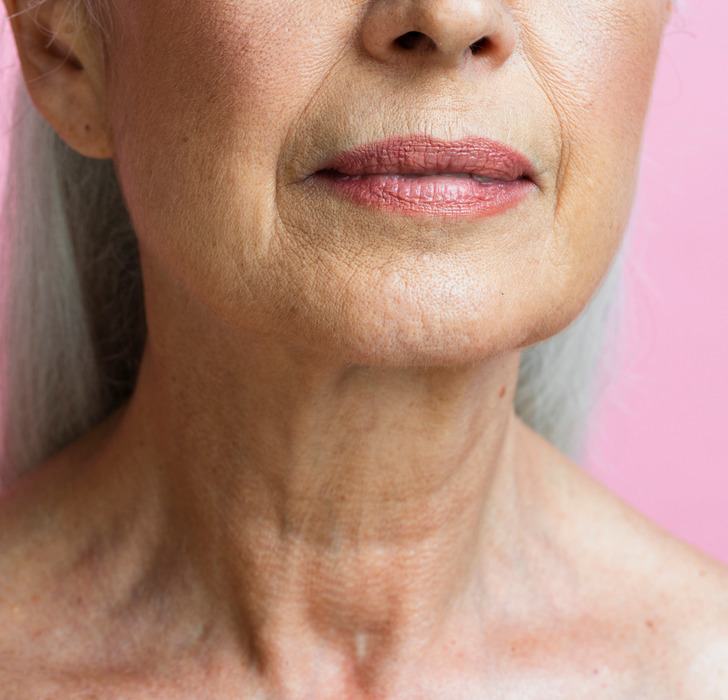
Horizontal lines on the neck are, in most cases, simply part of how skin ages. The neck has thinner skin than the face, it moves constantly, and years of looking down at phones and books leave their mark. Sun exposure speeds the process up, which is why neck lines often appear alongside other signs of sun-aged skin.
There is no need to read a diagnosis into ordinary neck lines. What is worth doing is caring for the area the way you care for your face: daily sunscreen, gentle moisturiser, and avoiding harsh rubbing. If you notice a sudden change — rapid deepening, swelling, discolouration, or a new lump — that is a reason to see a doctor promptly. Sudden changes are always more meaningful than gradual ones.
3. Restless Legs in the Evening

Restless legs feel like an irresistible urge to move your legs, often with a crawling, tingling, or aching sensation. It tends to appear in the evening or at night, and moving around brings temporary relief — which is exactly why it ruins sleep. Many people experience it occasionally, especially after long days on their feet, intense exercise, or too much caffeine late in the day.
Simple habits help: regular sleep times, gentle stretching before bed, warm baths, and cutting back on late caffeine and alcohol. If the feeling happens several nights a week, keeps you awake, or comes with daytime exhaustion, bring it up with a doctor. They can check for common contributors and suggest next steps — there is no need to just put up with lost sleep.
4. Muscle Cramps That Keep Coming Back

A muscle cramp is a sudden, involuntary tightening of a muscle — the classic charley horse in the calf at 3 a.m. is the most familiar version. Occasional cramps are usually explained by simple things: dehydration, holding one position too long, overusing a muscle, or a long day in unsupportive shoes. They pass within minutes and leave no damage.
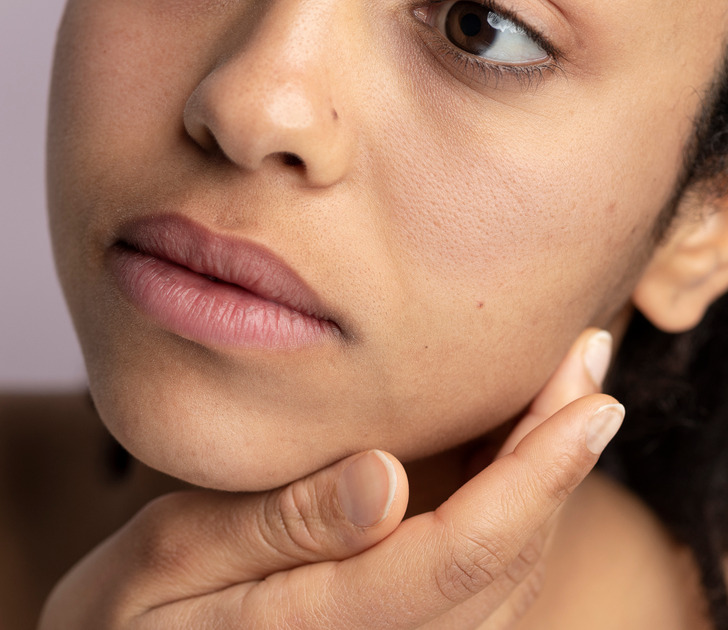
Cramps deserve a doctor’s attention when they are frequent, severe, or come with warning companions that could point to health problems: swelling, skin redness or warmth over the area, a muscle that stays hard or visibly swollen, or cramps after starting a new medication. Keep a quick note of when cramps happen, what you were doing, and how long they lasted — that pattern is genuinely useful information for a clinician.
5. Hair Shedding and Brittle Nails
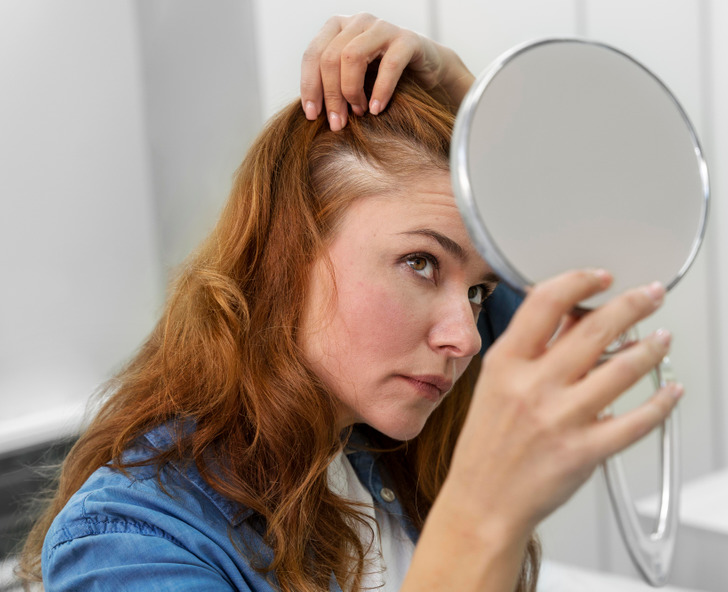
Losing hair sounds alarming, but shedding up to around a hundred hairs a day is normal — hair grows in cycles, and old strands make room for new ones. Stress, illness, childbirth, crash diets, and seasonal changes can all push more hairs into the shedding phase at once. The same is true of nails: frequent wetting and drying, harsh removers, and biting make them peel and break.
The pattern matters more than the number. Gradual, even shedding that returns to normal within a few months is usually nothing to worry about. Sudden heavy shedding, bald patches, a receding hairline that changes fast, or nails that suddenly become very ridged, discoloured, or lift from the nail bed are reasons to see a doctor. Eat a balanced diet, be gentle with styling, and give changes a few weeks before drawing conclusions — hair and nails recover slowly.
When to See a Doctor Promptly
Most of the signs above are ordinary, but a few situations that could point to health problems should not wait for the next routine visit. Seek care promptly if you notice a symptom that appears suddenly and severely, gets worse over days rather than better, comes with fever, unexplained weight loss, chest pain, breathlessness, or fainting, or simply frightens you. Trust that instinct: doctors would always rather hear about something harmless than miss something important.
A Calm Way to Track What You Notice
If a symptom keeps nagging at you, a short note beats a worried memory. Write down when it started, what it feels like, what makes it better or worse, and anything new in your routine — medicines, foods, workouts, stress. A week or two of simple notes turns a vague worry into a clear story, and that story helps a doctor assess possible health problems much faster.
Frequently Asked Questions About Body Warning Signs and Health Problems
Should I worry about one new symptom?
Usually not. A single, mild, short-lived symptom is most often nothing and rarely a sign of health problems. Patterns — the same symptom repeating, worsening, or arriving with others — are what deserve attention.
Can stress cause physical symptoms?
Yes. Stress affects sleep, muscles, digestion, skin, and hair, and it can amplify symptoms that already exist. That does not mean stress explains everything — persistent symptoms still deserve a check — but improving sleep, movement, and rest genuinely helps many everyday complaints.
How do I talk to my doctor about a symptom without sounding silly?
Be specific and brief: what you feel, when it started, how often it happens, and what worries you. Doctors hear these questions every day. No symptom is too small to mention if it is on your mind.
DISCLAIMER: This article is for general information only and is not medical advice, diagnosis, or treatment. If you are worried about a symptom, speak to a qualified healthcare professional.
Preview photo credit freepik / Freepik, user18526052 / Freepik
credits by: brightside.me