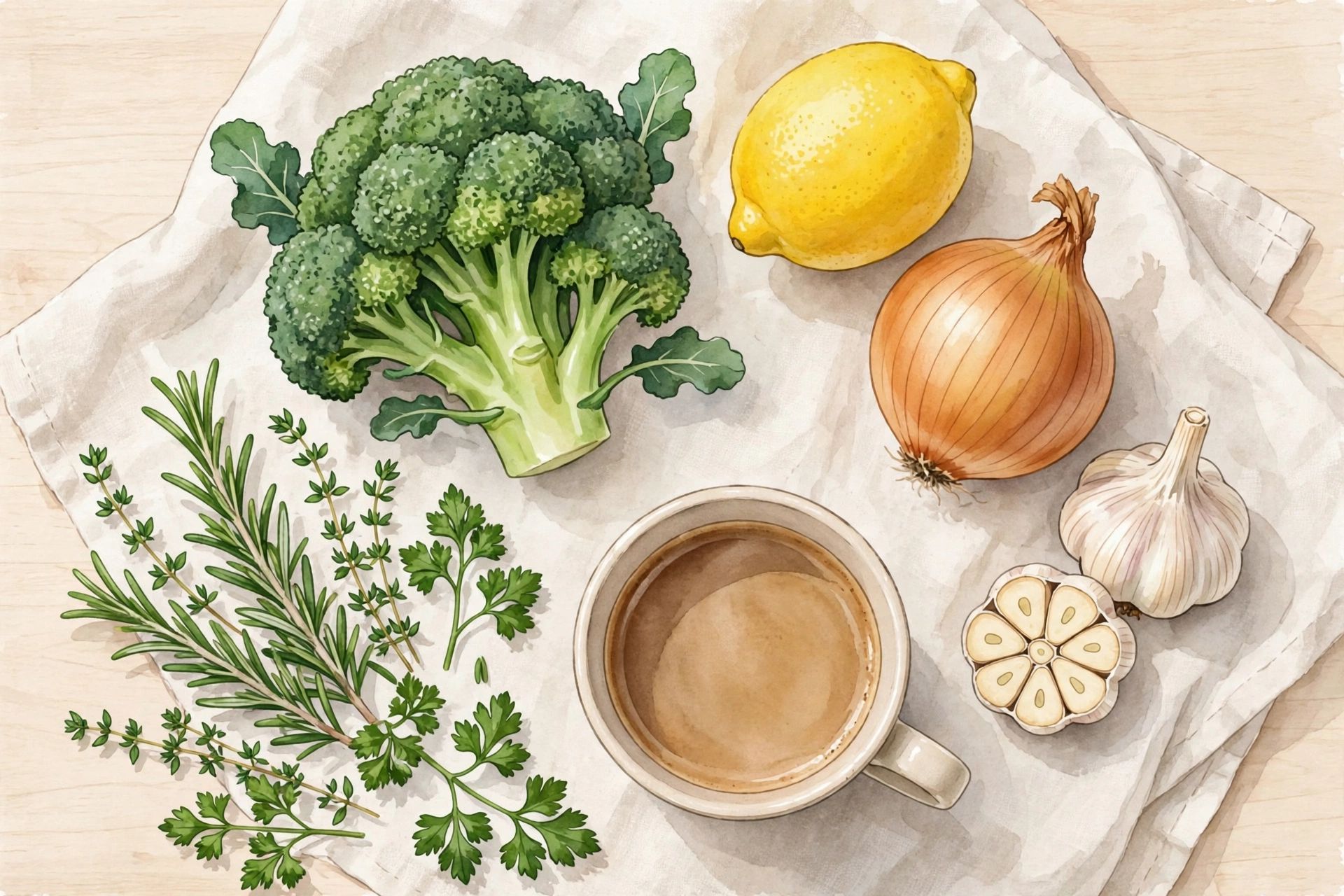
Some foods that make you smell bad do it quietly. You enjoy a normal meal, feel fine, and hours later notice your breath, your sweat, or even your clothes smell stronger than usual. It is not a sign that the food is bad for you. In fact, many of the biggest culprits are healthy foods. The smell comes from how your body breaks them down, and from how those breakdown products leave your body through breath, sweat, urine, and digestion.
Once you understand the pattern, you do not need to give up foods you love. You only need to know which ones are most likely to change your scent, why it happens, and what small habits reduce the effect. This guide walks through seven common examples, explains the science in plain language, and ends with practical fixes that actually help.
Why do some foods change body odour?
Body odour has three main routes. First, digestion: when gut bacteria break down certain foods, they release gases and sulphur-like compounds. Second, sweat: your skin has bacteria too, and when sweat mixes with compounds from food, the bacteria can turn them into stronger-smelling substances. Third, breath and urine: some compounds are absorbed into the blood, travel to the lungs or kidneys, and leave the body that way.
That is why the same meal can affect people differently. Your gut bacteria, how much you sweat, how hydrated you are, and even your genes all play a role. A food that makes one person noticeably smellier may barely affect someone else. The goal is not to fear food, but to notice your own pattern and adjust the timing, portions, and pairings around it.
1. Cruciferous vegetables: broccoli, cauliflower, cabbage, and Brussels sprouts
Cruciferous vegetables are rich in fibre, vitamins, and plant compounds that support long-term health. They also contain sulphur compounds. When gut bacteria ferment their fibre, those compounds can produce gases with an egg-like smell. The effect is strongest when you eat a large portion, eat them raw, or combine them with other gas-forming foods.
You do not need to avoid them. Cooking them well, chewing slowly, starting with a smaller portion, and drinking water with the meal can all reduce the effect. If you are eating them for the first time in a while, increase the amount gradually so your gut has time to adjust.
2. Red meat
Red meat is digested slowly and is rich in protein and fat. During digestion, proteins break down into amino acids, and sweat can carry some of those breakdown products to the skin. Skin bacteria then act on them, which can make sweat smell stronger for a day or two after a heavy meat meal.
Portion and balance matter more than total avoidance. A moderate serving with plenty of vegetables, good hydration, and a lighter meal the next day is usually enough. If you notice a clear pattern after very large servings, try smaller portions, leaner cuts, or swapping in poultry, fish, or plant protein a few times a week.
3. Garlic and onions
Garlic and onions are famous for flavour, and also for lingering smell. They contain sulphur compounds that survive digestion, enter the bloodstream, and are released through breath and sweat. That is why brushing alone sometimes does not fix garlic breath: part of the smell is coming from your lungs, not just your mouth.
Fresh herbs, lemon, green tea, yoghurt, and crunchy foods like apple or lettuce can help freshen the mouth after a garlicky meal. For sweat, a shower and fresh clothes matter more than extra deodorant. If you have an important meeting or date, you may want to keep raw garlic and onion light that day and save the stronger dishes for another evening.
4. Coffee
Coffee itself does not make sweat smell bad in the way sulphur foods do, but it can make you sweat more. Caffeine activates the nervous system, raises alertness, and can increase sweating, especially in warm rooms or stressful moments. More sweat gives skin bacteria more to work with, so odour can rise even though the coffee is not the direct cause.
Coffee can also dry the mouth slightly, which can make breath feel stale. Drinking water alongside coffee, keeping servings moderate, and avoiding coffee late in the day if it disrupts sleep all help. If you love the ritual, unsweetened green tea is a gentler alternative on days when you want less sweat and fresher breath.
5. Curry, cumin, and other strong spices
Strong spices add warmth and depth to food, and they can also raise body temperature. When you feel warmer, you sweat more, and the aromatic compounds in spices can pass through sweat and breath. Cumin, curry blends, fenugreek, and chilli are common examples.
The effect is usually temporary. Wearing breathable fabrics, showering after a very spicy meal, and keeping portions reasonable can keep it under control. Spices also have real benefits for flavour and appetite, so the aim is balance, not a bland diet. If you cook with spices often, ventilation in the kitchen and fresh clothes after cooking help as much as anything you eat.
6. Seafood and the fishy-smell connection
Most people digest seafood without any unusual smell. A small number of people have a metabolic difference that makes it harder to break down a compound called trimethylamine, which is found in seafood, eggs, and some other foods. When it is not broken down fully, it can leave a fishy smell in breath, sweat, and urine.
This condition is uncommon and usually shows a clear, repeated pattern. If you notice a strong fishy smell every time you eat seafood, speak to a clinician rather than guessing. For everyone else, freshness, proper storage, and good cooking matter most. Fresh seafood should not smell strongly fishy before cooking, and leftovers should be refrigerated promptly.
7. Asparagus
Asparagus is the classic example of a food that changes urine smell. It contains a compound that the body breaks into sulphur-containing products. Those products are excreted quickly, and because they evaporate easily, many people notice the smell soon after eating asparagus.
Interestingly, not everyone can smell it. Some people have a genetic difference that makes them less sensitive to that particular odour. Either way, the effect is harmless and fades within hours. Drinking extra water helps dilute urine and shorten the effect.
What actually helps when foods make you smell?
Start with the basics, because they solve most cases. Shower regularly, especially after sweaty or spicy meals, and change into clean clothes. Wash underarms and feet well, and let shoes dry fully between wears.

Brush and floss, clean your tongue gently, and drink water through the day so your mouth and skin stay hydrated.
Food pairings help too. Fresh fruits, leafy greens, herbs like mint and parsley, yoghurt, and green tea can support fresher breath. Fibre-rich meals, eaten slowly and chewed well, are easier on digestion than large, rushed, heavy meals. If you know a particular food affects you, plan around it: eat it when you have time to freshen up afterwards, keep the portion moderate, and avoid stacking two or three strong-smelling foods in the same meal.
Finally, watch for patterns that need medical advice. A sudden, persistent change in body odour, a fruity or ammonia-like smell, skin rashes, fever, or digestive pain are reasons to see a clinician. Everyday food-related smell is usually temporary and mild. A new, strong, or lasting change deserves a proper check.
Foods that can help you smell fresher
On the other side of the list, some foods tend to support fresher breath and lighter sweat. Water is the simplest: it dilutes odour compounds and supports digestion. Citrus fruits, apples, celery, and carrots encourage saliva and help clean the mouth naturally. Herbs such as mint, basil, and parsley are classic breath fresheners. Green tea contains plant compounds that can reduce odour-causing bacteria in the mouth.
You do not need a special diet. A balanced plate with vegetables, fruit, whole grains, lean protein, and enough water already does most of the work. The freshest-smelling routine is usually the most ordinary one: regular meals, good hydration, good hygiene, and enough sleep.
Frequently asked questions
How long does food-related body odour last? Most effects fade within a few hours to a day, as the food is digested and sweat and breath clear. Garlic and strong spices can linger longer, especially if you eat them in large amounts.
Does drinking more water really help? Yes. Water supports digestion, dilutes urine, keeps saliva flowing, and helps you sweat in a healthier way. It will not erase a strong sulphur compound completely, but it shortens and softens the effect.
Should I stop eating healthy foods that make me smell? No. Broccoli, garlic, onions, and spices are valuable foods. Adjust portions, cooking, timing, and hygiene first. Only consider cutting a food if a clinician advises it or you have a diagnosed condition.
Can deodorant fix food-related smell? Deodorant helps with underarm sweat, but it does not fix breath or digestion. Treat the source: hydration, hygiene, portion size, and timing matter more than stronger fragrance.
This content is for informational purposes only and does not constitute medical advice. If you have concerns about persistent body odour, digestion, or diet changes, speak to a qualified healthcare provider.
For more everyday health and lifestyle ideas, see 5 Alarming Ways Your Body Might Be Signaling Health Problems, 11 “Healthy” Things You May Have Been Doing Wrong Your Whole Life, and 101 Fun Facts That Will Blow Your Mind.