A child-free wedding is one of those decisions that sounds simple until you have to say it out loud. You and your partner agree on an adults-only celebration, you picture a calm evening with good food and unhurried conversation, and then a relative asks whether their toddler can come — and suddenly a practical choice feels like a personal insult.
It does not have to be that way. A clear, kind and consistent child-free wedding policy protects your day, your budget and your relationships. Here is how to decide, how to word it, and how to hold the line without turning your wedding into a family feud.
Why couples choose a child-free wedding
Most couples set this rule not because they dislike children, but because weddings are long, expensive and carefully planned. A reception that runs from afternoon until midnight is a hard day for a small child, and a restless toddler at the next table makes a long evening for everyone else.
There is also the arithmetic. Every child guest takes a seat, a meal and a place at a table you have paid for. In a venue with a strict capacity, each extra place can mean leaving an adult friend off the list. Choosing an adults-only day lets you invite the people you most want there, and keeps the bill under control.
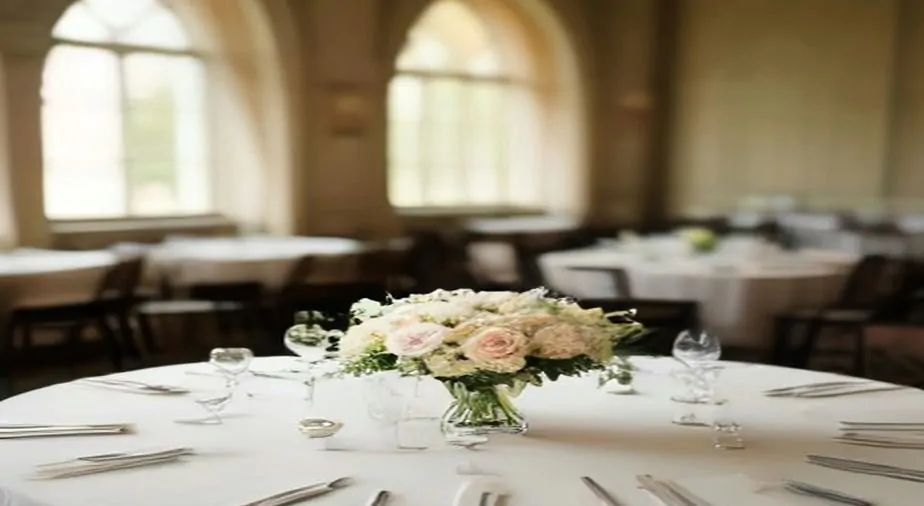
Then there is the atmosphere. Many couples want a celebration for grown-ups: speeches that run a little long, dancing that runs a little late, and conversations not interrupted every ten minutes. A child-free wedding policy is simply a way of protecting that atmosphere.
Decide early — and decide together
The most important step is to agree the rule with your partner before you tell anyone else. Talk through the reasons, the exceptions you are willing to make, and the line you will hold if someone pushes back. A wedding is a series of deliberate choices, from the venue to the guest list, and this one works best when you can both explain it in the same words.
Write the rule down in one sentence. For example: “Our wedding is adults-only, except for our nieces and nephews.” A single written sentence stops the policy drifting as relatives ask for different favours, and makes every later conversation much easier.
What counts as an exception?
Most couples allow exceptions for their own children, for babes in arms, or for children in the wedding party. Whatever you choose, apply it evenly: the moment one cousin’s toddler is admitted and another’s is not, the policy looks like a favour rather than a rule. A blanket rule is often kindest, because nobody can claim they were singled out.
How to word your child-free wedding policy
Say it once, say it clearly, and say it in writing. The invitation is the right place: it is formal, it reaches everyone, and nobody can claim they did not see it. Put the note on the invitation or the details card, not buried on a wedding website half your guests will never open.
Simple wording works best. “We love your little ones, but our wedding is an adults-only celebration. Thank you for understanding.” That is warm, clear and hard to argue with. If you want something shorter, “Adults only, please” does the same job.
On the RSVP, leave no room for extra names. Address the envelope to the invited adults by name, and give the reply card a fixed number of places: “We have reserved 2 seats in your honour.” Guests who see only their own names rarely try to add a child. Keep the same wording everywhere: the invitation, the website, and any message you send to a guest.
Handling pushback without a row
Even with perfect wording, someone will push back. Expect it, and decide in advance how you will respond. The golden rule: explain once, briefly, and then stop explaining. The more reasons you give, the more material you hand someone to argue with.
A calm reply sounds like this: “We understand it is disappointing, and we are sorry you cannot make it work. The wedding is adults-only, and we have to keep the rule the same for everyone.” Then change the subject.
When a guest threatens not to come
Occasionally a guest will say that if their children cannot come, they will not come either. That is their choice to make, and it is painful to hear. Thank them, tell them they will be missed, and leave the door open. Many people cool down once the initial sting passes.
What to say to parents
Parents often take the rule personally. Acknowledge the feeling without reopening the decision: “Your children are welcome in our lives, and we hope to celebrate with them another time. For the wedding itself, we are keeping it adults-only.” A tidy and calm day is easier to host when the guest list matches the space you have booked.
Making the day welcoming for adults
A child-free wedding is not a child-hating wedding, and small touches show it. If several guests are travelling with children, share a list of local babysitters or trusted childcare services well in advance, and give a clear start and end time so parents can plan. A small contribution towards childcare is a generous gesture — though never an obligation.
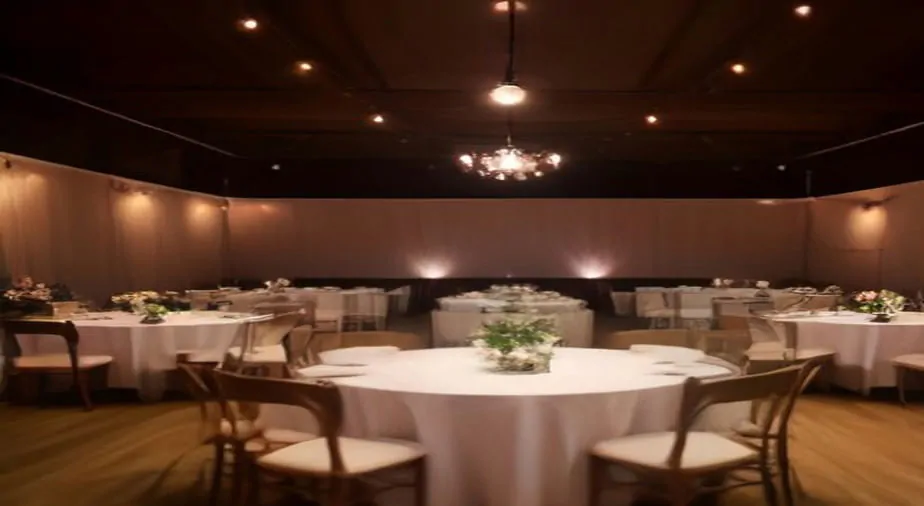
On the day itself, make the adults-only atmosphere worth it: a seating plan that puts friends together, a meal served on time, and music that starts early. If the budget is tight, small practical savings add up, and every pound saved on extra places can go towards a better experience for the guests who are there.
What if you change your mind?
Sometimes circumstances change: a sibling’s childcare falls through, or a beloved niece asks to be a flower girl. If you adjust the policy, do it openly and early, and apply the change to everyone in the same position. A quiet exception for one family, discovered later by another, will cause far more damage than the original rule ever did.
Frequently asked questions
Is it rude to have a child-free wedding?
No. It is a normal, widely accepted choice. What would be rude is inviting children and then resenting them, or changing the rule for some guests and not others. A clear, even-handed policy, communicated kindly, is the polite option.
Should I invite children to the ceremony but not the reception?
You can, but it usually creates more problems than it solves. Parents must then find childcare halfway through the day, and children who enjoyed the ceremony may be upset to leave. Keep the whole day adults-only.
What about breastfeeding babies?
Most couples make an exception for babes in arms, and guests generally accept it. If you do, say so plainly on the invitation: “Adults only, with the exception of babes in arms.” Clarity avoids the awkward moment when a new parent has to ask.
A child-free wedding policy is not a test of how much you love your friends’ children. It is a practical decision about the kind of day you want. Word it kindly, hold it steadily, and then get back to the enjoyable part: planning a wedding that feels like you.