
When the temperature drops, your skin feels it first. Cold air outside, dry heated air inside, and long hot showers can all strip away moisture and leave your face feeling tight, flaky, and dull. The good news is that you do not need an expensive routine or a shelf full of new products to fix it. These winter skin care tips are simple, practical, and easy to build into the routine you already have, so your skin can stay soft, calm, and glowing all season long.
Winter skin care is mostly about protection. In summer, the goal is often oil control and sun protection. In winter, the goal is to keep the skin barrier strong, lock in moisture, and avoid anything that dries you out further. Small changes — a gentler cleanser, a richer cream, a humidifier by your bed — can make a surprisingly big difference within a week or two.
Below, you will find 15 ideas that work together as a complete cold-weather routine. Pick the ones that suit your skin type, try them for at least two weeks, and keep the ones that make your skin feel comfortable. Healthy winter skin is not about perfection. It is about comfort, consistency, and a little extra kindness to your skin when the weather is at its harshest.
1. Switch to a Gentle, Creamy Cleanser
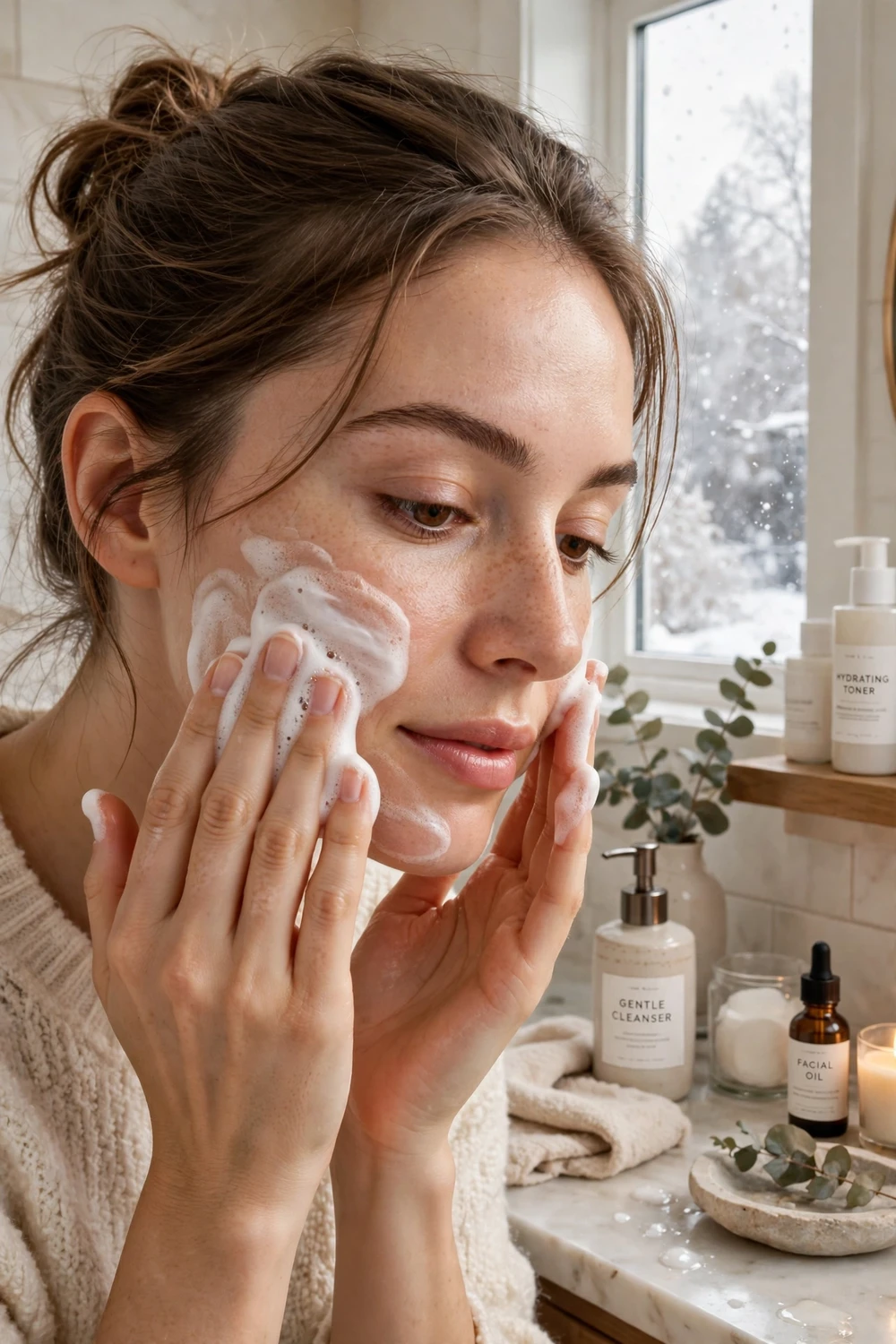
The first step in any winter routine is also the easiest to get wrong. Foaming cleansers that leave your face feeling squeaky clean are often stripping away the natural oils your skin needs in cold weather. Swap them for a creamy, milky, or oil-based cleanser that removes makeup and dirt without that tight, dry feeling afterwards.
Wash with lukewarm water, massage the cleanser in gently for about 30 seconds, and pat your face dry with a soft towel instead of rubbing. Your skin should feel clean and comfortable, never dry or irritated. If it feels tight after washing, your cleanser is too strong for winter, and it is time to switch.
2. Choose a Ceramide Moisturiser for a Stronger Skin Barrier

Ceramides are fats that naturally hold your skin cells together, like mortar between bricks. Cold weather and indoor heating break that barrier down, which is why winter skin often becomes dry, sensitive, and reactive. A moisturiser rich in ceramides helps rebuild that protective layer and keeps moisture locked in for longer.
Look for a cream rather than a light lotion if your skin is dry, and apply it while your skin is still slightly damp after cleansing. This seals in the water on the surface of your skin. Used morning and night, a good ceramide cream is the single most effective winter upgrade for most people.
3. Run a Humidifier While You Sleep

Heated indoor air can be just as drying as cold outdoor air. When the humidity in your home drops, moisture evaporates from your skin faster, especially overnight. A small humidifier in your bedroom adds that moisture back into the air, and your skin, lips, and even your nose will notice the difference.
Keep the humidifier clean by changing the water daily and cleaning it weekly, as the instructions suggest. Aim for a comfortable room humidity of around 40 to 50 percent. It is a quiet, low-effort habit that supports every other step in your winter routine.
4. Give Your Lips Extra Care Every Day

Lips have no oil glands of their own, which is why they crack so easily in winter. A good lip balm is not optional in cold weather — it is essential. Choose a thick, nourishing balm with ingredients like shea butter, beeswax, or lanolin, and reapply it through the day, especially before you go outside and before bed.
Avoid licking your lips when they feel dry, because saliva evaporates quickly and leaves them drier than before. If your lips are already cracked, skip lipsticks with a matte finish for a few days and let a plain balm do the healing work. A gentle lip scrub once a week can help too, but only if your lips are not sore.
5. Do Not Forget Your Hands
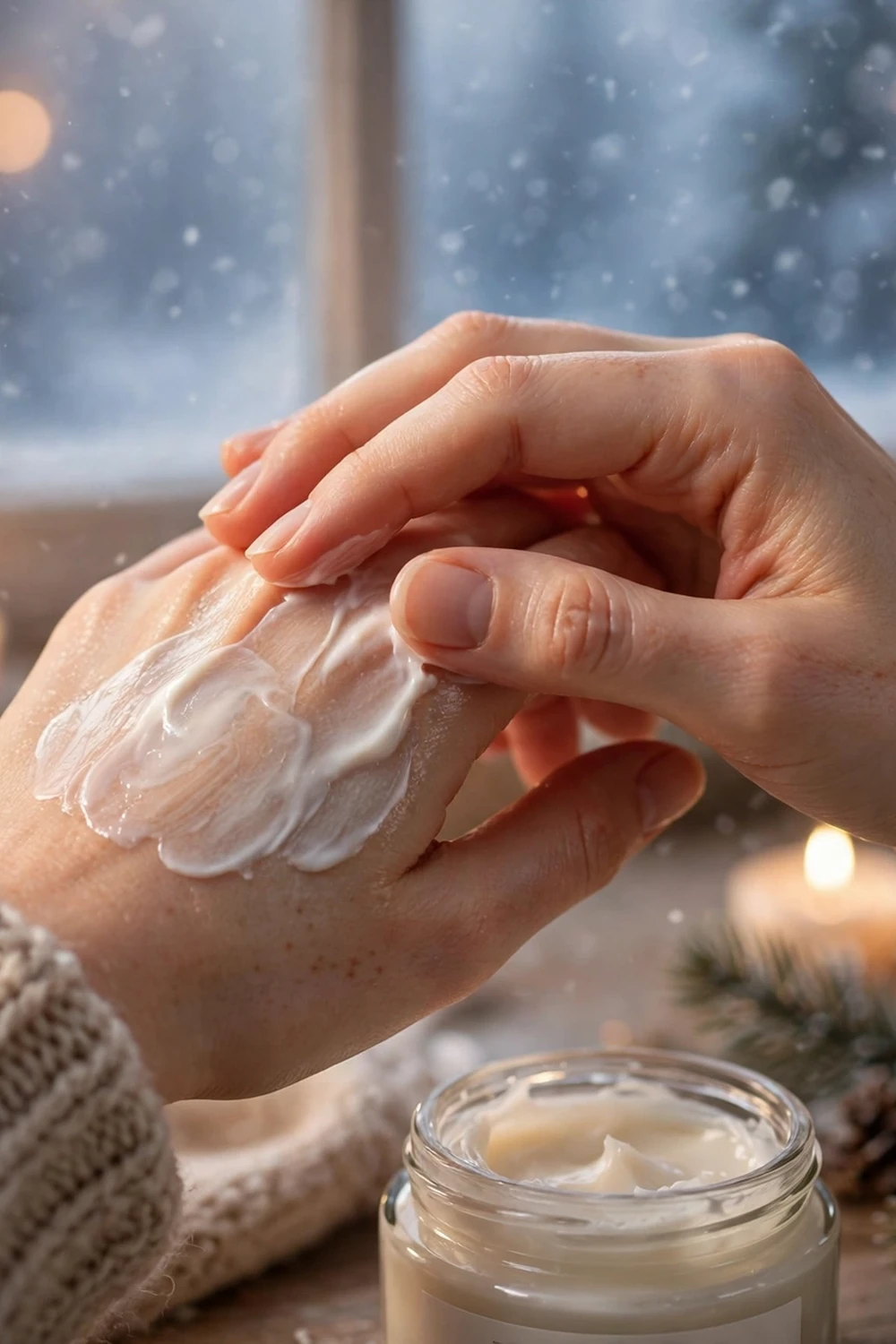
Hands are exposed to cold air, hot water, soap, and sanitiser all day, so they are often the first place winter dryness shows up. Keep a rich hand cream by your sink, in your bag, and on your desk, and use it after every wash. A cream with shea butter or glycerin will protect far better than a thin lotion.
Wear gloves when you go outside, and wear rubber gloves for washing dishes, because hot water and detergent are a fast route to cracked skin. At night, a thick layer of hand cream under cotton gloves can turn rough hands soft again within a few nights. It feels like a small luxury, and it works.
6. Treat Your Feet Before They Crack

Feet are easy to forget in winter because they are hidden in socks and boots, but thick socks, dry air, and less fresh air can leave heels rough and cracked. After a warm bath or shower, gently smooth rough areas with a foot file, then massage in a thick foot cream or petroleum jelly and put on soft socks.
Doing this two or three times a week is usually enough to keep feet comfortable. If cracks are deep or painful, give them extra care and avoid walking barefoot on hard floors until they heal. Soft feet are not just about comfort — cracked skin can be painful and slow to heal in cold weather.
7. Wear SPF Even When It Is Cloudy
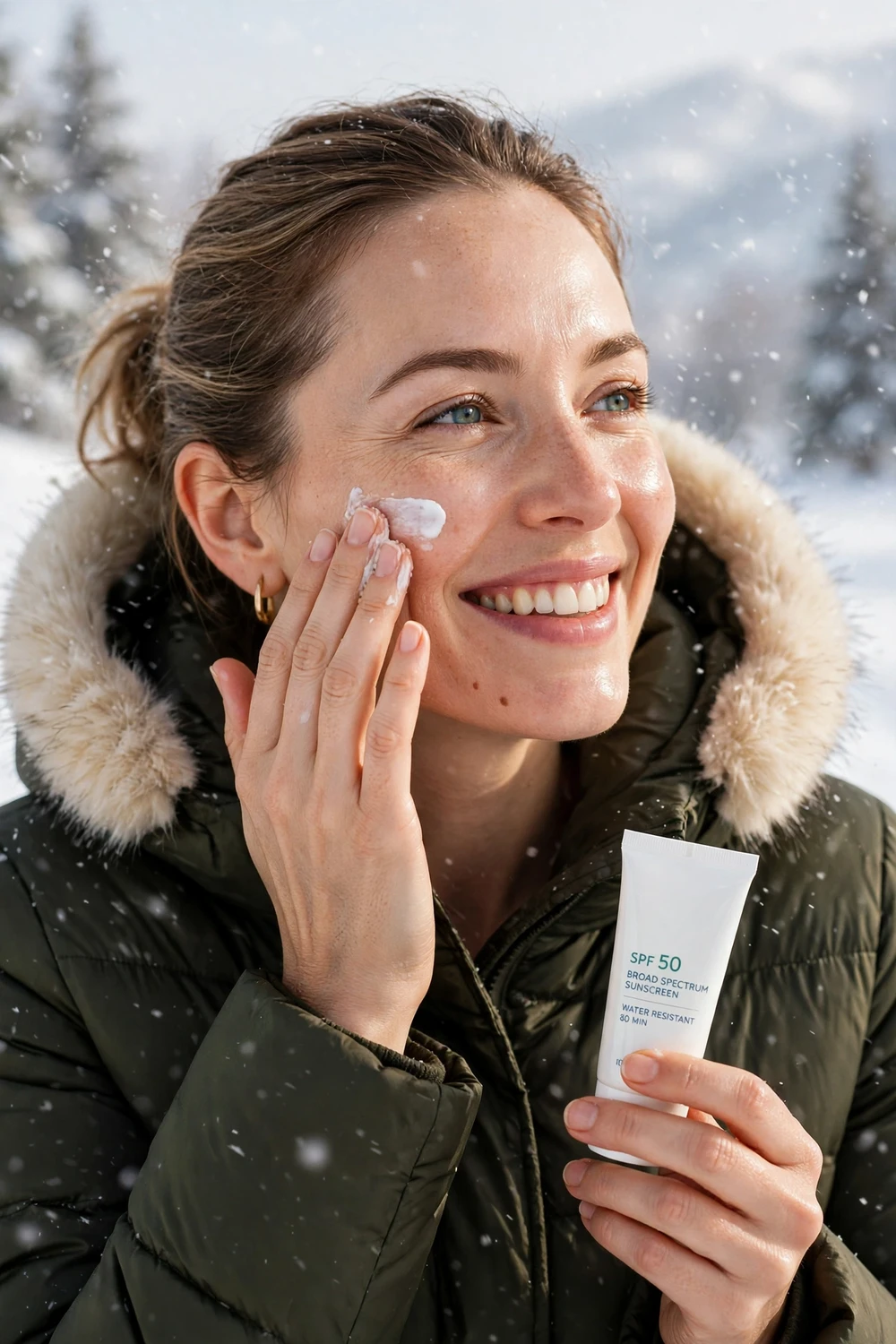
One of the most common winter mistakes is skipping sunscreen. Winter sun may feel weaker, but UV rays still reach your skin through clouds, and snow can reflect them back onto your face. If you spend time outdoors, on a winter walk, or near a bright window, SPF still matters.
Choose a broad-spectrum SPF 30 or higher and apply it as the last step of your morning routine. Many winter moisturisers now include SPF, which makes this step easy. Think of it as year-round protection, not a summer-only habit, and your skin will thank you in the long run.
8. Beat Indoor Heating Dryness

Central heating keeps you warm, but it dries the air and your skin at the same time. You do not need to turn the heating off — just soften its effect. Keep your home at a comfortable temperature rather than very hot, and avoid sitting right next to radiators or heaters for long periods.
A bowl of water near a radiator, regular ventilation, and the humidifier from tip three all help. So does drinking water through the day. When you come in from the cold, let your skin warm up gradually instead of standing under a very hot shower straight away. Your skin barrier prefers gentle changes in temperature.
9. Be Extra Gentle With Sensitive or Eczema-Prone Skin

If your skin is sensitive or prone to eczema, winter can trigger flare-ups. The rule here is simple: fewer products, gentler ingredients, and no fragranced creams on irritated areas. Look for products labelled fragrance-free and suitable for sensitive skin, with soothing ingredients like colloidal oatmeal, allantoin, or ceramides.
Keep showers short and lukewarm, pat skin dry, and moisturise within a few minutes while the skin is still damp. Wear soft fabrics against your skin and avoid wool directly on irritated areas. If flare-ups are frequent or severe, it is worth talking to a dermatologist rather than trying one new product after another.
10. Eat and Drink for Hydrated Skin

No cream can fully replace what your body gets from food and water. In winter, it is easy to drink less water because you feel less thirsty, but your skin still needs hydration from the inside. Keep a water bottle nearby, and enjoy warm drinks too — herbal teas and soups count towards your fluid intake. For cosy inspiration, try these warm drinks for immunity, which are perfect for cold evenings.
Foods rich in healthy fats and vitamins also help. Avocados, nuts, seeds, olive oil, and oily fish support the skin barrier, while colourful fruits and vegetables provide antioxidants. You do not need a perfect diet — just a few skin-friendly choices each day, alongside your regular meals, can make a real difference to how your skin looks and feels.
11. Build a Simple, Calming Night Routine

Night is when your skin repairs itself, so a calm evening routine pays off. Start with a lukewarm shower or wash — never very hot water, which strips natural oils — then cleanse gently, apply any serum, and finish with a richer night cream than you use in the morning. That extra layer works while you sleep.
Keep the routine short and consistent. Cleanse, treat, moisturise, and lip balm is enough for most people. A silk or satin pillowcase can also reduce friction on your skin and hair overnight. If you are updating your whole cold-weather look, these winter hairstyles pair beautifully with a healthy winter glow.
12. Avoid the Most Common Winter Skin Mistakes

Some winter damage comes from habits that feel helpful but are not. Over-exfoliating is the biggest one: scrubbing or using strong acids several times a week leaves winter skin raw and sensitive. In cold weather, exfoliate gently once a week at most, and skip it entirely if your skin feels sore.
Other mistakes include very hot showers, harsh soaps, skipping moisturiser on oily skin, and trying too many new products at once. Oily skin still needs moisture in winter — choose a lighter gel-cream instead of skipping it. Introduce one new product at a time, so you can tell what actually helps your skin.
13. Layer a Hydrating Serum Under Your Cream

If your moisturiser alone is not enough, a hydrating serum can be the missing layer. Hyaluronic acid serums draw water into the skin and work best when applied to slightly damp skin, followed immediately by a cream to seal that moisture in. Without the cream on top, the serum can actually leave skin feeling drier in very dry air.
Apply a few drops after cleansing, morning and night, and wait a minute before your moisturiser. Keep the rest of your routine simple while you test it. Layering in the right order — thinnest product first, thickest last — helps each product do its job without overwhelming your skin.
14. Seal in Moisture With a Facial Oil

For very dry skin, a few drops of facial oil pressed over your moisturiser at night can make mornings noticeably softer. Oils like squalane, jojoba, and rosehip seal in the layers underneath and protect the barrier from cold wind. You only need two or three drops — more will feel greasy, not more effective.
Warm the oil between your palms and press it gently onto your cheeks, forehead, and any dry patches. If your skin is oily or acne-prone, test oil on one area first, or skip this step and rely on a richer cream instead. The goal is comfort, not a shiny finish.
15. Moisturise Your Body, Not Just Your Face

It is easy to focus on your face and forget the rest of your body, but shins, arms, and elbows get just as dry in winter. Apply body lotion or cream within a few minutes of showering, while your skin is still slightly damp. This is when it absorbs best and stays soft longest.
Choose a fragrance-free cream if your body skin is sensitive, and keep a smaller tube in your bag for elbows and hands during the day. A cosy home helps too — if you love a warm, inviting space in winter, these cozy winter home decor ideas make staying in feel like a treat. Soft skin from head to toe is the real winter glow.
Frequently Asked Questions
How often should I moisturise in winter? Most people benefit from moisturising twice a day, morning and night. If your skin still feels tight by midday, add a richer cream at night or a hydrating serum underneath.
Can I use the same products all year round? You can, but most skin needs richer textures in winter. Switching your light summer lotion for a cream, and your foaming cleanser for a creamy one, is usually enough without changing your whole routine.
Is winter dryness a sign of a skin problem? Mild dryness in winter is very common. However, if you have persistent redness, cracking, bleeding, or itching that does not improve with gentle care, see a dermatologist for personal advice.
Do I really need SPF in winter? Yes, especially outdoors. UV rays pass through clouds, and snow reflects them. A daily SPF 30 is a simple habit that protects your skin all year.
Final Thoughts
Winter skin care does not have to be complicated or expensive. Gentle cleansing, a ceramide cream, a humidifier, daily SPF, and a little extra care for lips, hands, and feet will carry most people through the coldest months comfortably. Start with the basics, stay consistent, and let your skin — not trends — tell you what it needs. With these 15 tips, glowing, hydrated, soft skin is well within reach this winter.