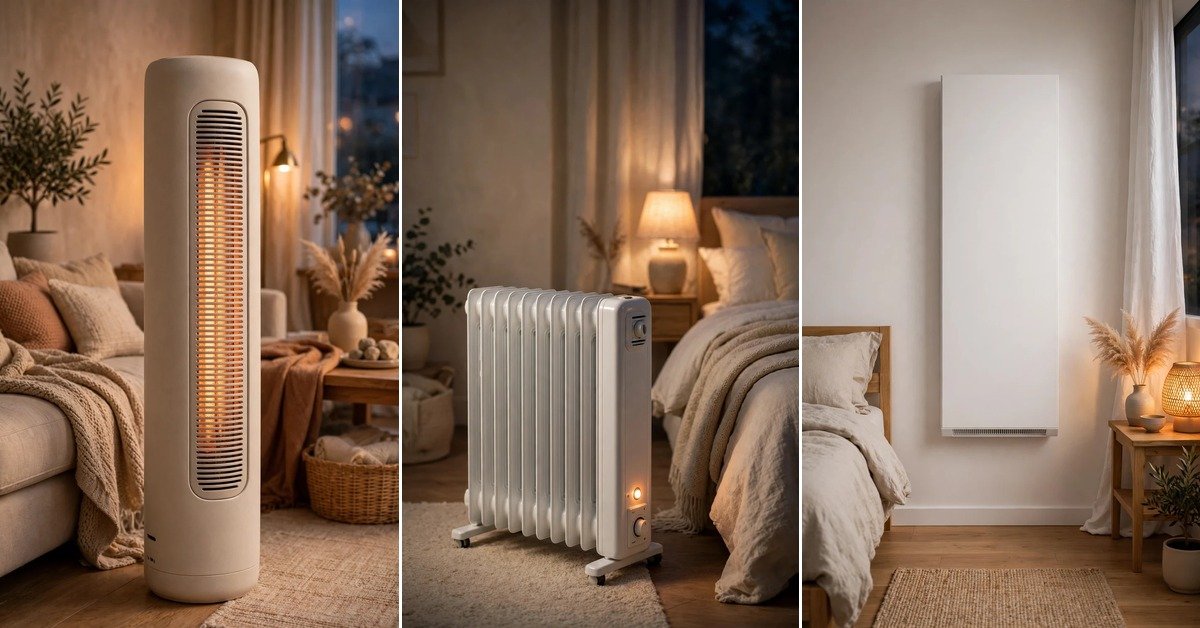
Cold mornings, chilly bedrooms and draughty living rooms all ask the same question — which heater actually works? The best space heaters 2026 are not one single product, but a whole family of clever machines: ceramic towers that warm a room fast, oil-filled radiators that hum along silently for hours, infrared panels that heat you rather than the air, and smart models you can switch on from your phone before you even get out of bed. In this guide we compare 15 toasty picks by type, room and budget, explain safety and running costs in plain language, and flag the 2026 Vornado SRTH recall so you can check your own model label. These are original guide-style picks by type, not claimed hands-on tests, and no product specs are copied from any one source — just honest, practical advice to help you choose the right heater for your home.
How to Use This Guide
Start with your room, not the heater. A small bedroom needs a quiet, gentle heater; a large open living room needs power and reach; a home office needs silence; a bathroom needs something safe and splash-aware. Then think about how you heat: do you want fast warmth when you walk in, or steady warmth all evening? Fast warmth points to ceramic or fan heaters, steady warmth points to oil-filled radiators, and instant, direct warmth points to infrared. Finally, check the safety list — tip-over protection, overheat protection and a plug that goes directly into the wall, never into an extension cord. For more home comfort ideas, our 15 best smart home gadgets 2026 guide pairs beautifully with a smart heater, and the 15 best humidifiers 2026 roundup keeps winter air comfortable too.
1. Ceramic Tower Heater — The Best All-Rounder
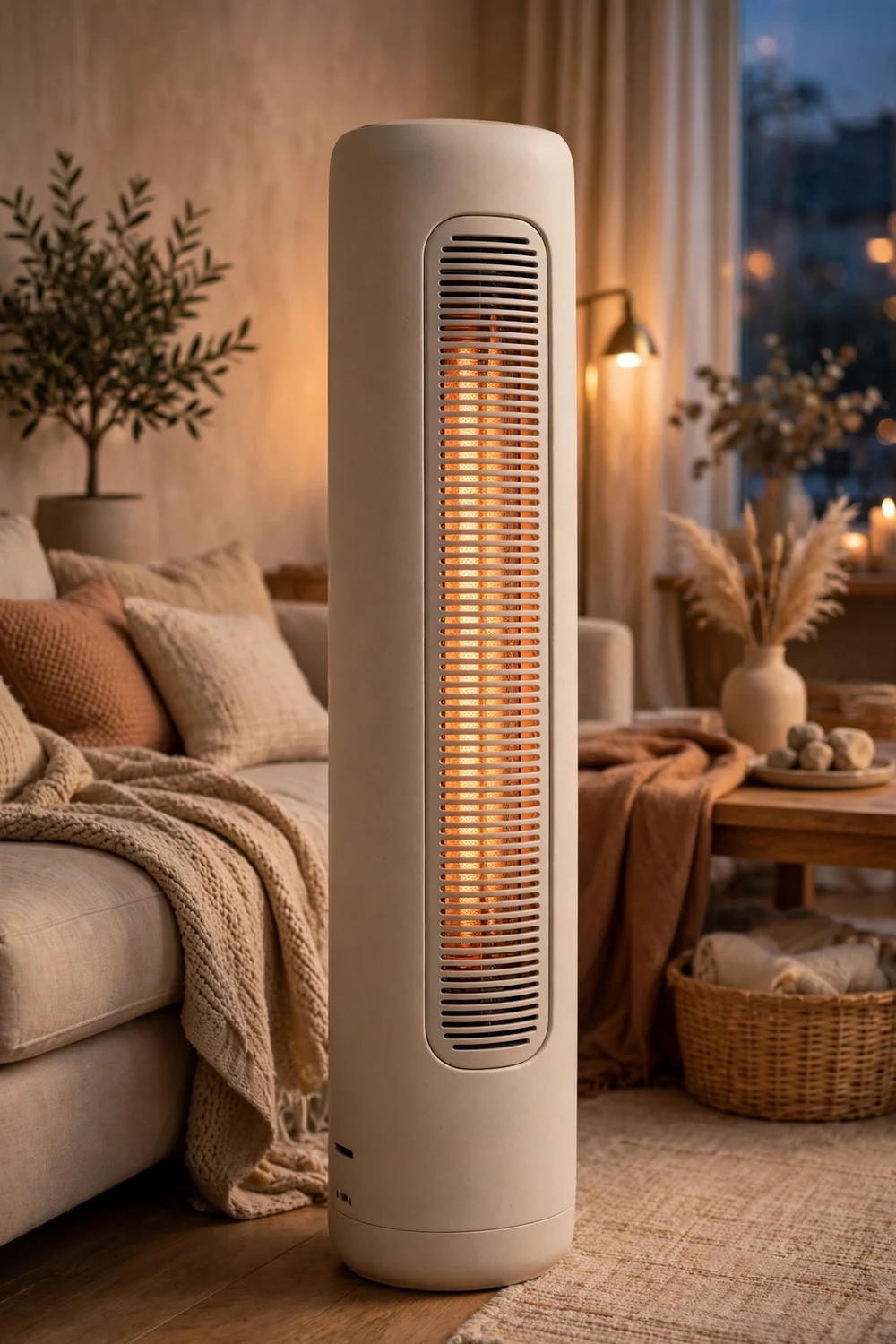
If you only buy one heater, a ceramic tower is the safest bet. Ceramic heating elements warm up quickly, the tall tower shape spreads heat across the room, and most models oscillate — turning gently from side to side — so the warmth reaches more than one corner. Ceramic towers are also light and easy to move from the bedroom to the living room, and many come with a remote control, a timer and several heat settings. They are the all-rounder of the heater world: fast enough for a cold morning, gentle enough for an evening, and neat enough to tuck into a corner when spring arrives.
When you shop, look for a ceramic tower with at least two heat settings, a fan-only mode for summer, oscillation, and a clear digital display you can read from across the room. A tip-over switch and overheat protection should be standard, not optional. Place it on a flat, hard floor with space around it — never against curtains or furniture — and give it a metre of clear air in front. Used this way, a ceramic tower can warm a medium room in minutes, and it is the pick we would recommend first to anyone who just wants one heater that does everything well.
2. Oil-Filled Radiator — Steady, Silent Heat for Long Evenings
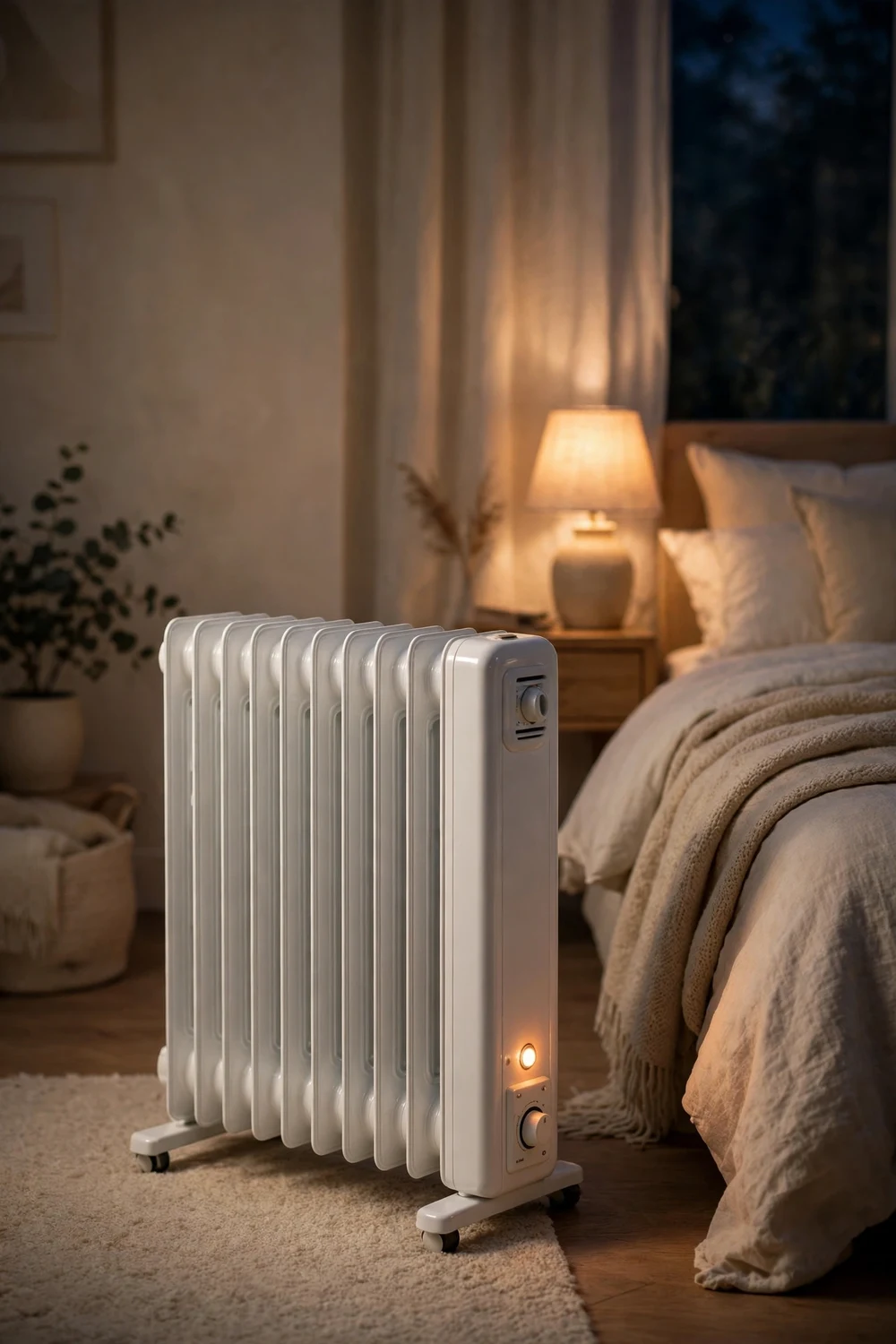
An oil-filled radiator is the slow-and-steady heater: it takes longer to warm up, but once it is hot it stays hot, giving off gentle, even warmth for hours with no fan noise at all. The oil inside is sealed forever — you never refill it — and the fins radiate heat quietly into the room, which makes this the best choice for bedrooms, nurseries and anyone who hates fan noise. It is also one of the safest-feeling heaters, because the surface stays warm rather than scorching, and there is no glowing element to worry about.
Choose an oil-filled radiator with a thermostat, a timer and at least three heat settings, so you can set it low overnight and higher in the evening. The downside is weight — these are heavy — so look for caster wheels and a carry handle. Give it time: switch it on half an hour before you need the room warm, rather than expecting instant heat. For a bedroom or a room where someone will sleep, an oil-filled radiator is hard to beat, and it is the heater most likely to still be working perfectly ten winters from now.
3. Infrared Heater — Instant Warmth That Heats You, Not the Air
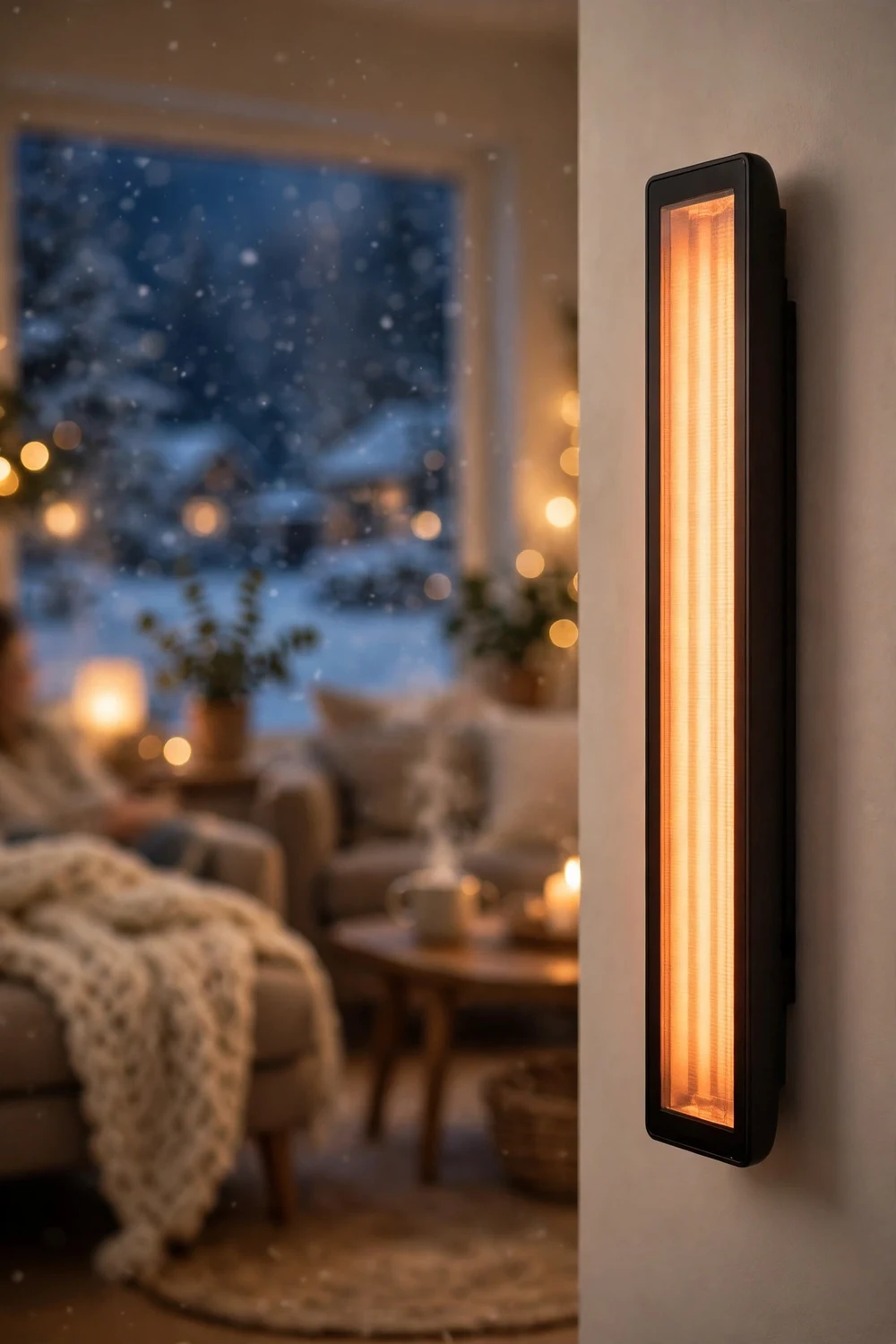
Infrared heaters work differently from every other heater on this list: instead of warming the air, they warm the people and objects in front of them, a little like sunshine through a window. That means you feel warm almost instantly, even in a draughty room or a space with high ceilings where warm air just floats away. Infrared panels are slim, quiet and often wall-mountable, which makes them a neat choice for home offices, workshops and rooms where you sit in one place for a long time.
When you shop for infrared, look for a model with a thermostat and a timer, and think about placement: infrared works best when it has a clear line of sight to you, so mount it on a wall or place it facing your chair or desk. It will not heat a whole large room evenly — that is not its job — but for one person in one spot it is wonderfully efficient. Pair it with a warm blanket and a hot drink, and a cold home office suddenly feels like the cosiest room in the house.
4. Fan Heater — Fast Heat on a Budget
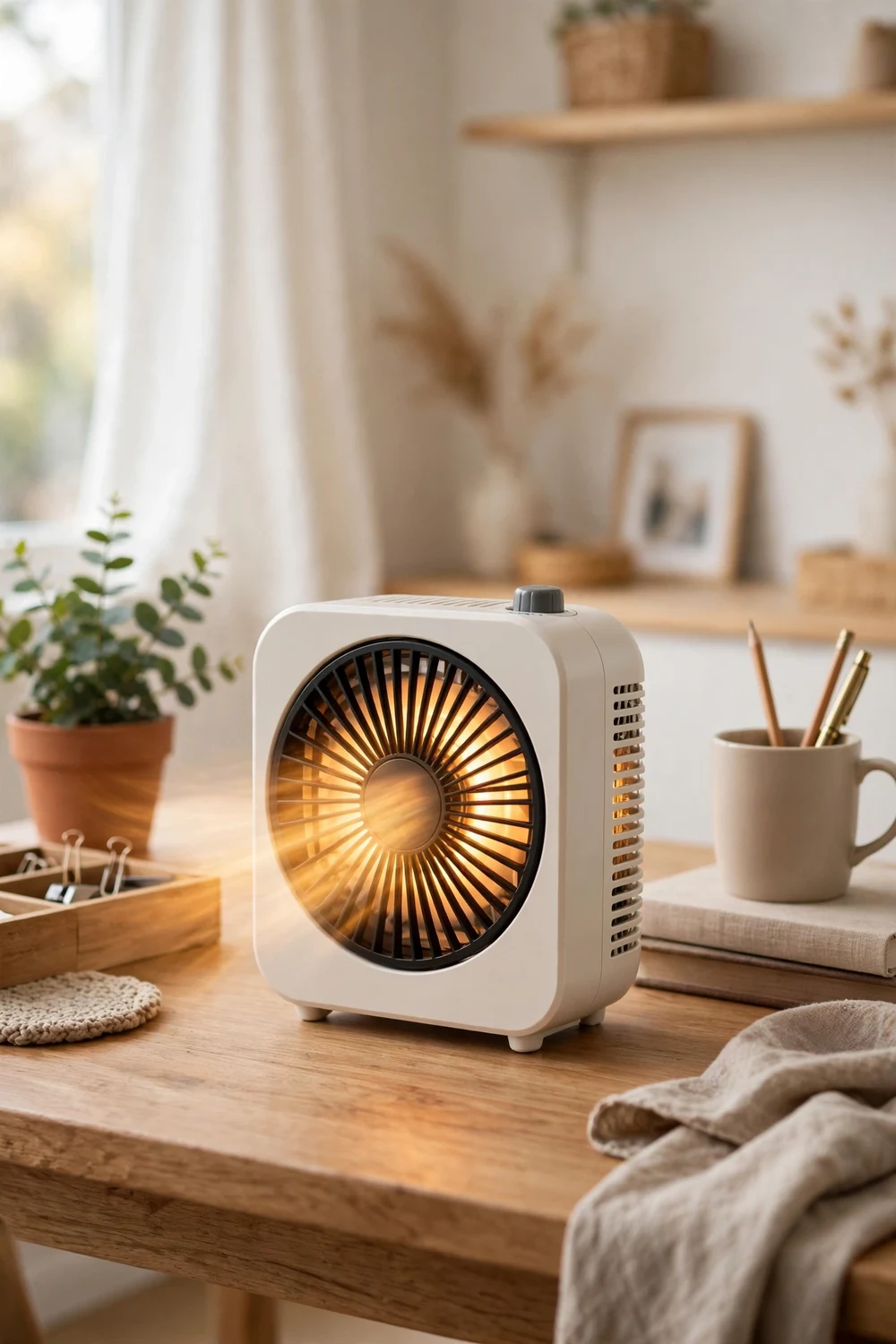
A fan heater is the simplest, cheapest way to get warm fast. A heating element warms the air and a small fan blows it into the room, so you feel the difference in a minute or two. Fan heaters are small, light and very affordable, which makes them the best choice for a quick blast of heat — warming a bathroom before a shower, taking the chill off a study, or heating a small room for an hour. They are also the easiest heater to store, tucking onto a shelf when winter ends.
The trade-off is noise and dryness: the fan hums, and the moving air can feel drying over a long evening. So use a fan heater for short bursts rather than all-night heating, and look for one with a thermostat so it switches off when the room reaches temperature. Keep it on a flat surface, away from water, and never leave it running unattended. For the price of a takeaway dinner, a good fan heater can rescue a cold morning — and that is a bargain worth having.
5. Fireplace-Style Heater — The Cosy Glow Without the Chimney
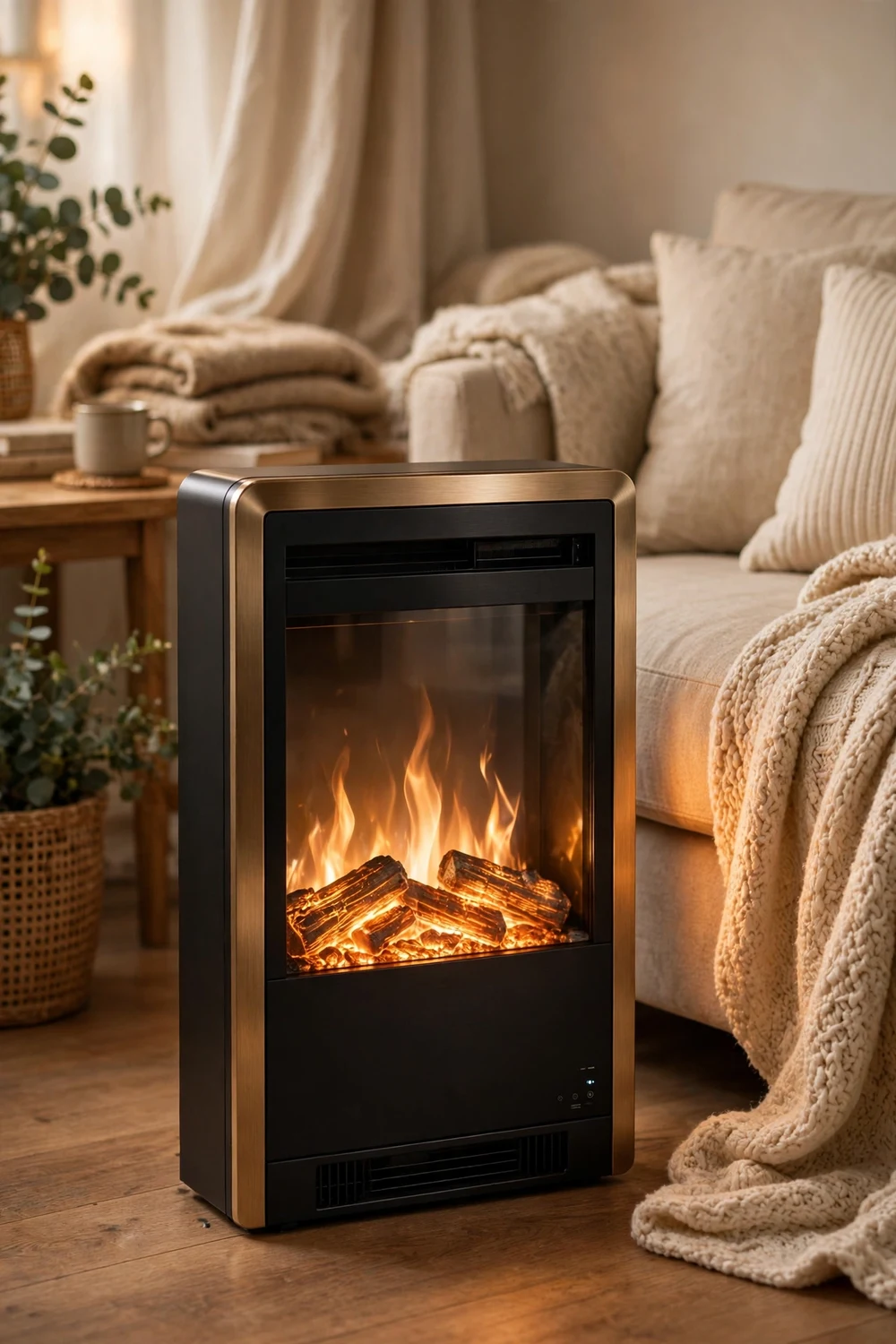
A fireplace-style heater gives you the look of a real fire — flickering flames, a warm glow, a mantelpiece feel — with the safety and simplicity of an electric heater. The flame effect is usually LED, so it costs almost nothing to run on its own, and the heating element underneath warms the room like a fan or ceramic heater. It is the heater for people who want atmosphere as much as warmth: a living room centrepiece that makes winter evenings feel special, without smoke, ash or a chimney sweep.
Look for a fireplace-style heater with an adjustable flame brightness, a separate heat setting so you can enjoy the glow in mild weather without the heat, and a remote control for lazy evenings on the sofa. Place it against a wall with clear space in front, and treat it like any heater when it comes to safety — no drying clothes on top, no curtains nearby. If your living room is the heart of your home in winter, this is the heater that makes it feel like a hug.
6. Wall-Mounted Heater — Save Your Floor Space
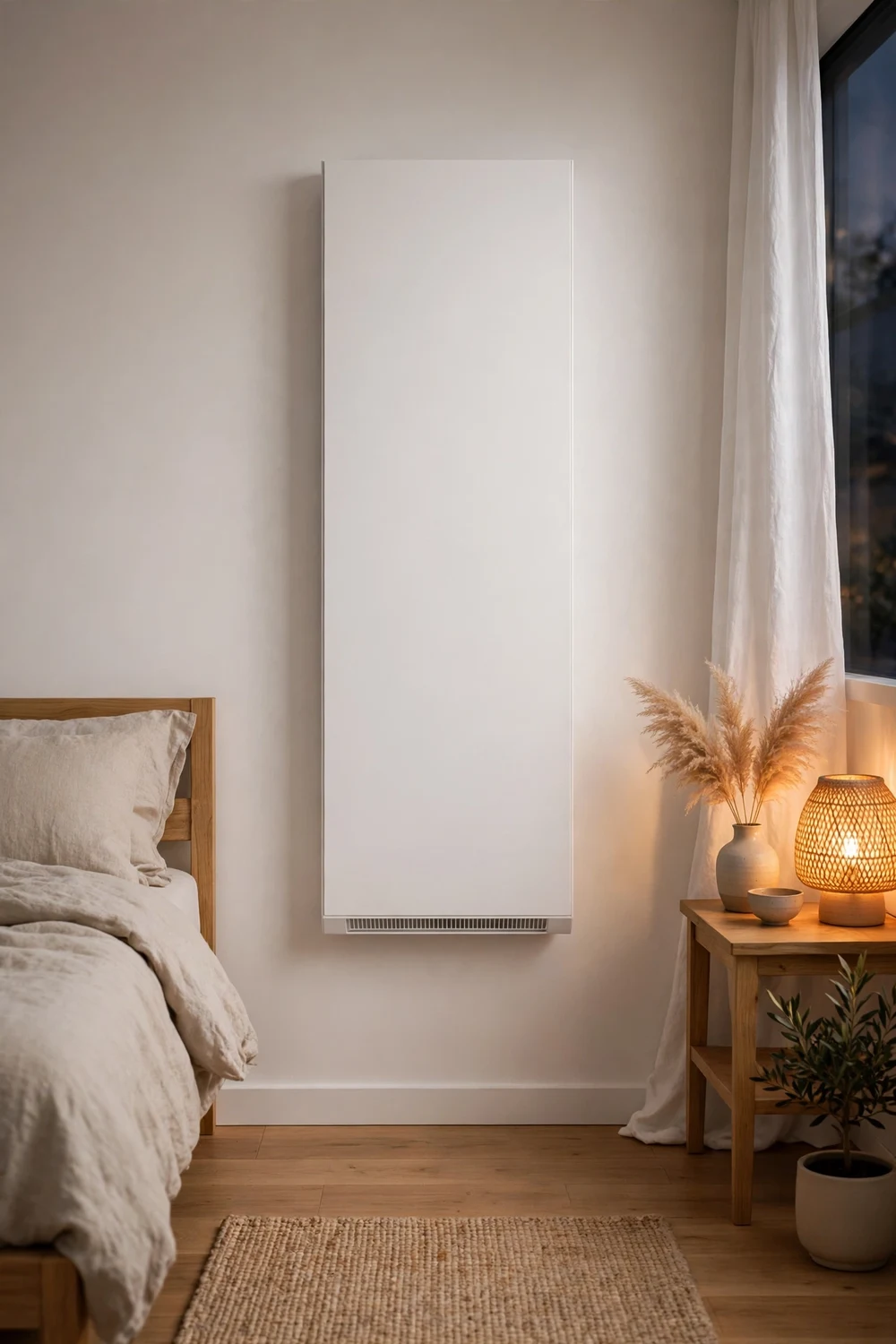
A wall-mounted heater is the answer when floor space is precious: it hangs on the wall like a slim panel, warms the room from above, and leaves your floor completely free for furniture, children and pets. Wall-mounted models are popular in bathrooms, hallways, small bedrooms and home offices, where a tower heater would always be in the way. Many are slim ceramic or infrared panels with a thermostat and a timer, and some look so neat you would barely know they are heaters at all.
Before you buy, check the installation: some wall-mounted heaters plug in simply, while others need a bracket and a nearby socket. Measure your wall, keep the heater away from water sources in a bathroom, and make sure the thermostat is easy to reach. The payoff is a room that feels warm with nothing on the floor at all — and in a small home, that empty floor is worth its weight in gold.
7. Bedroom Heater — Sleep Warm, Sleep Safe
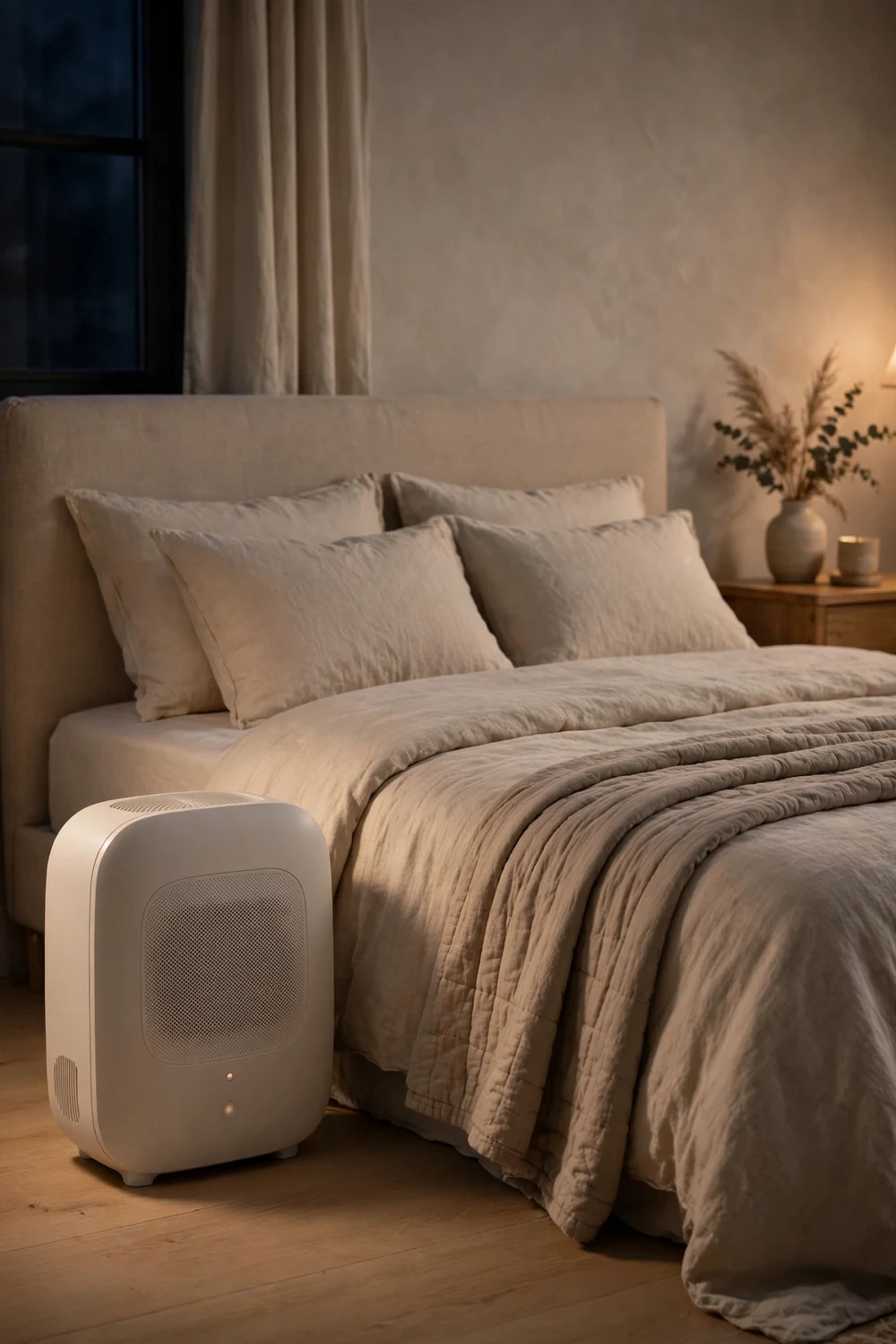
A bedroom heater has one job above all others: keep you warm without keeping you awake. That means quiet operation, a gentle heat that does not dry the air too much, and safety features you can trust while you sleep. Oil-filled radiators and quiet ceramic models with an eco or sleep mode are the usual winners here, because they warm the room slowly and then hold the temperature steady, switching off and on softly through the night rather than blasting hot and cold.
Look for a bedroom heater with a thermostat, a timer that switches off after you fall asleep, and a sleep mode that dims the display. Keep it away from the bed, the bedding and the curtains, and never place it under a window where cold draughts fight it all night. Set the thermostat to a comfortable sleeping temperature — cool enough to sleep well, warm enough to wake up without shivering — and let the heater do the quiet work while you dream.
8. Large-Room Heater — Heating Big Spaces Properly
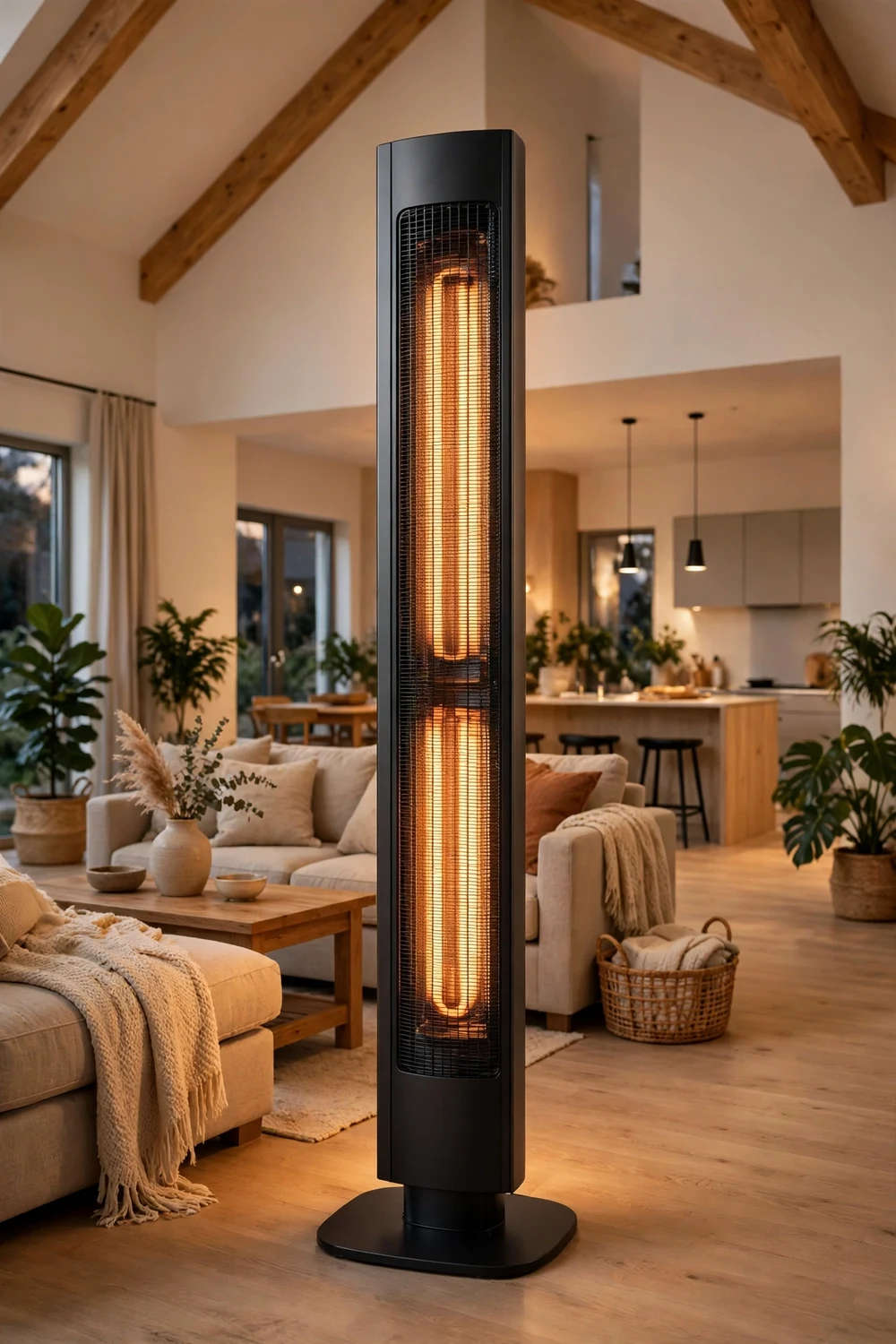
A large room needs a heater with real power and real reach, and the honest truth is that one small heater will never do it. Large-room heaters are usually higher-wattage ceramic towers or oil-filled radiators with oscillation, a strong fan, or both, designed to push warm air across an open living room, a conservatory or a combined kitchen-diner. The best ones also have a thermostat that reads the room properly, so they keep working until the whole space is warm rather than giving up at the first warm corner.
When you shop, check the maker’s recommended room size and be honest about yours — a heater rated for a small bedroom will struggle in a big living room, and you will end up cold and disappointed. Place the heater where the air can circulate, away from walls and furniture, and consider a ceiling fan on its lowest setting to push warm air back down. For very large spaces, two smaller heaters at opposite ends often beat one big one. And if your living room is always cold, our 15 best air fryers 2026 guide will not warm it — but a proper large-room heater will.
9. Budget Heater — Real Warmth Without the Big Price Tag
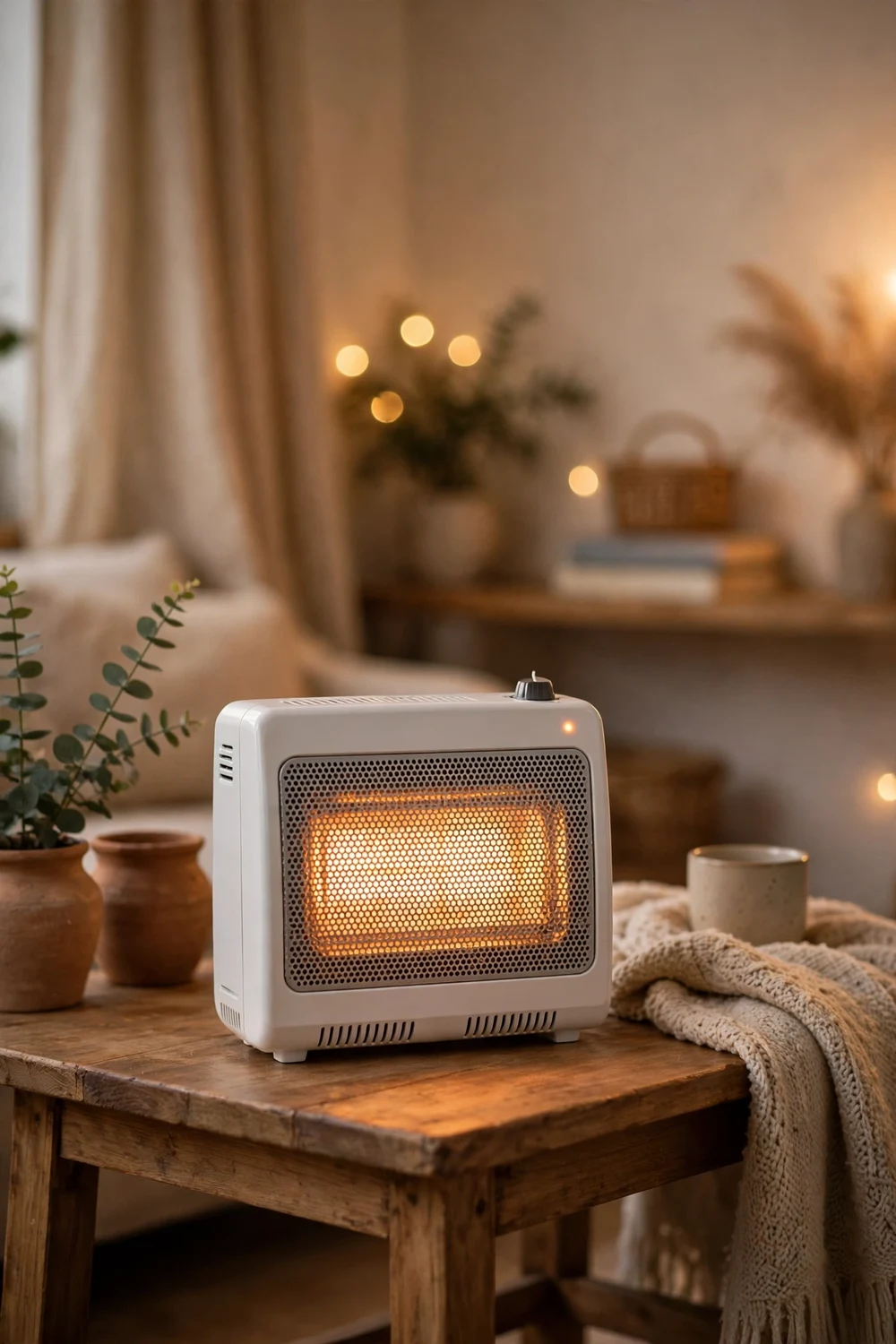
You do not need to spend a fortune to stay warm. A good budget heater — usually a small ceramic or fan model — can warm a bedroom or a study for the price of a few coffees, and it will do the job just as well as a heater costing three times as much for short, focused heating. The trick is to buy for your real need: one room, a few hours a day, and a heater that is safe and simple rather than packed with features you will never use.
Even on a tight budget, do not compromise on safety: tip-over protection, overheat protection and a sturdy build should be non-negotiable, whatever the price. Skip the extra features — remote controls, app control, fancy displays — and spend the money on a solid heating element and a proper thermostat instead. A budget heater that switches itself off when the room is warm will save you more money in electricity than any smart feature ever will.
10. Quiet Heater — For Light Sleepers and Home Offices
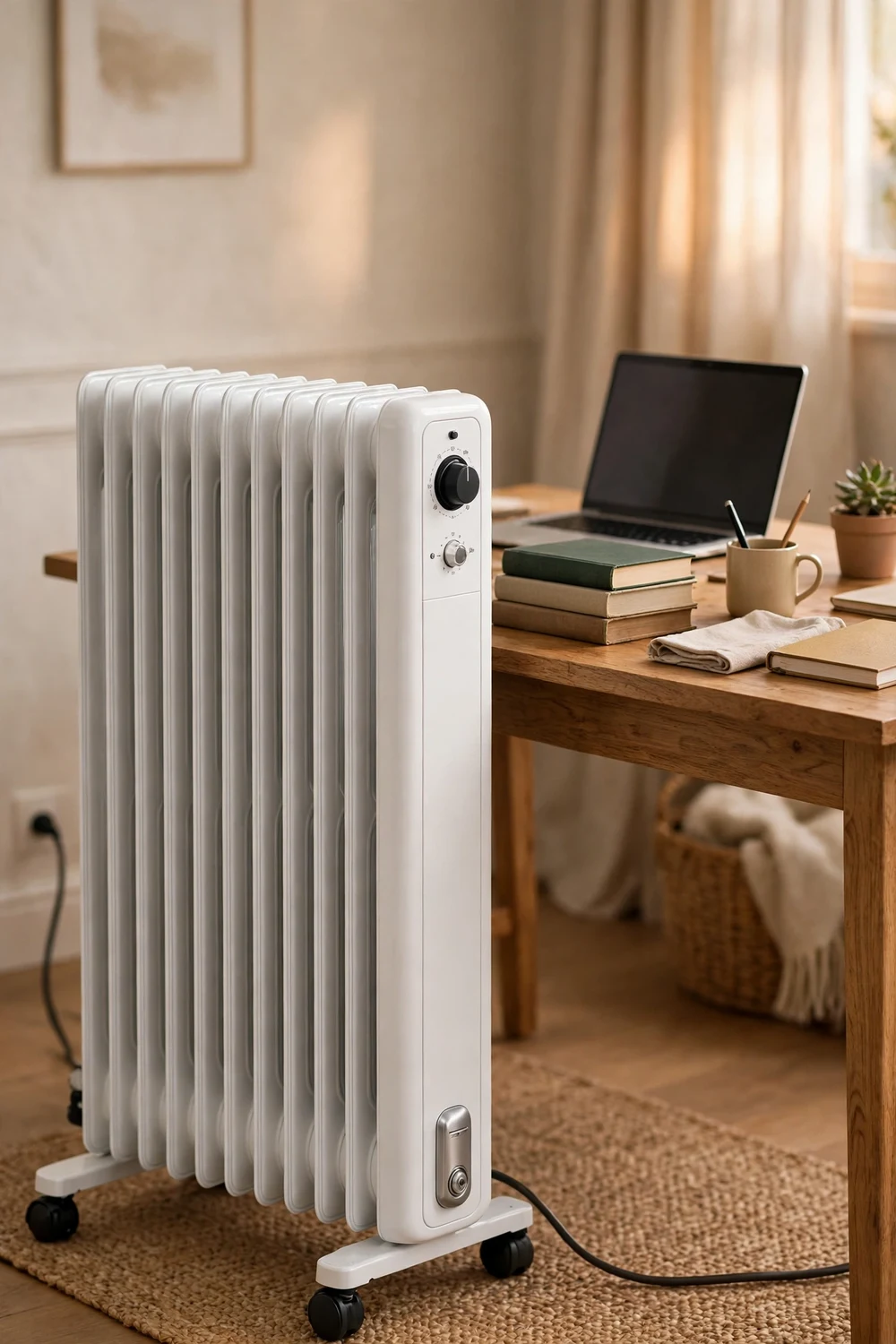
If you work from home, study, or sleep lightly, heater noise matters more than almost anything else. A humming fan can ruin a video call and a clicking thermostat can wake a light sleeper, so quiet heaters are a category of their own. Oil-filled radiators are the quietest of all — they have no fan, so they make almost no sound — followed by infrared panels and ceramic heaters with a dedicated silent or eco mode that slows the fan to a whisper.
When you shop, look for a stated noise level in decibels if the maker gives one, and read reviews from people who actually use the heater while they work or sleep. Avoid cheap fan heaters with a high-pitched whine, and place any heater on a stable surface so it cannot vibrate against the floor. A quiet heater is the difference between a home office you love and one you avoid — and for light sleepers, it is the difference between a good night and a long one.
11. Smart Heater — App and Voice Control
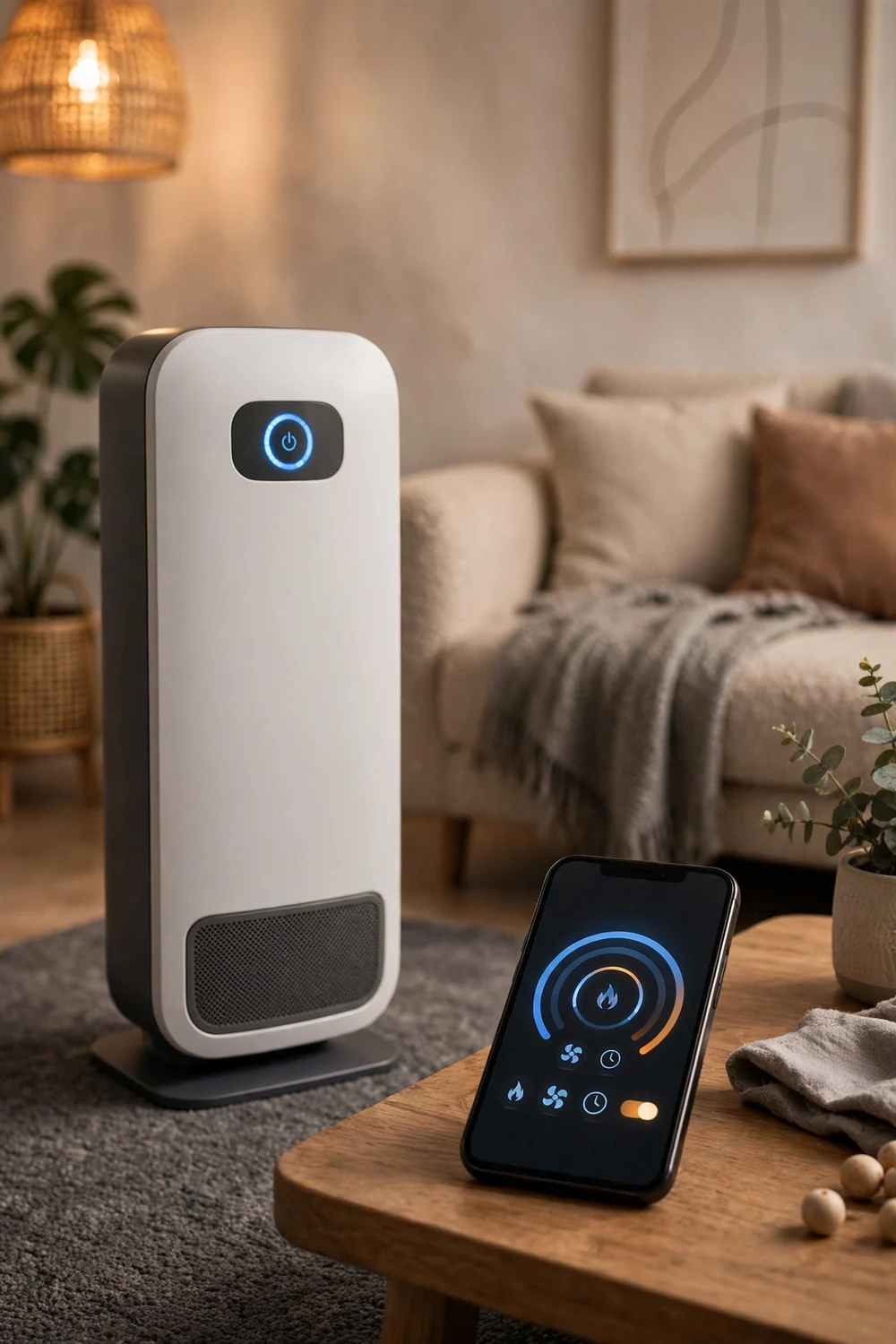
A smart heater connects to your phone or your voice assistant, so you can switch it on from the sofa, from the office, or from the car on your way home. That is not just a gimmick: coming home to a warm house, or warming the bedroom ten minutes before bedtime without getting up, is a genuine comfort. Many smart heaters also have schedules, so the heating comes on before your alarm and switches off when you leave, and some learn your routine and adjust themselves.
Look for a smart heater that works with the assistant you already use, and check that it still works with its own buttons if the Wi-Fi goes down — a heater that only works through an app is useless in a power cut or a router failure. Keep the app updated, use a strong password, and remember that smart does not mean unsafe: a smart heater still needs tip-over and overheat protection like any other. Done right, a smart heater is the most convenient heater you will ever own.
12. Safety First — Tip-Over and Overheat Protection
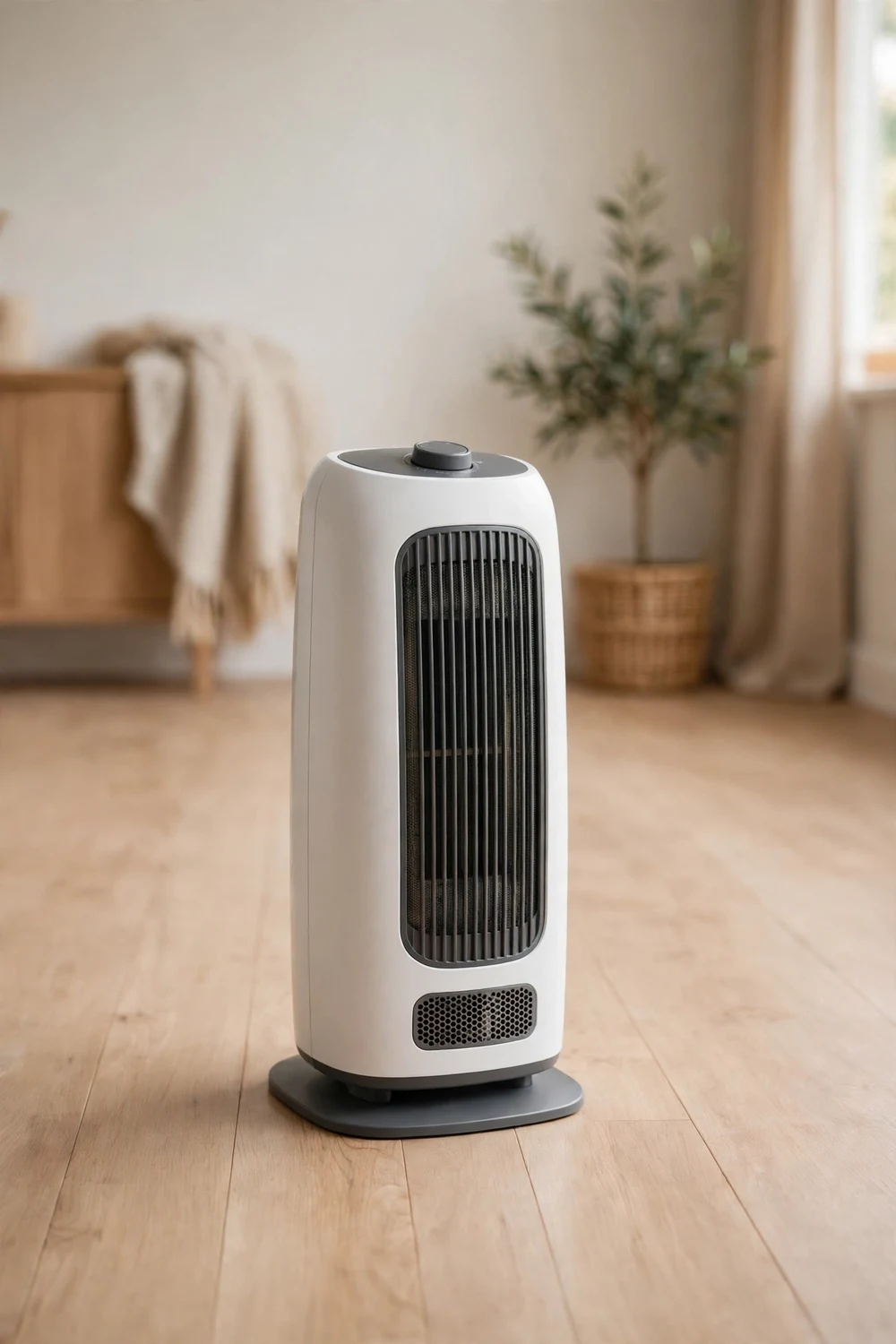
Safety is not the boring part of this guide — it is the most important part. Every heater on this list should have two features: tip-over protection, which switches the heater off instantly if it falls over, and overheat protection, which switches it off if it gets too hot. These two features prevent most heater accidents, and any heater without them is not worth buying at any price. Check for them on the box before you buy, and test them when the heater arrives.
Just as important is how you use the heater: plug it directly into a wall socket, never into an extension cord or a power strip, because heaters draw a lot of power and extension cords can overheat. Keep at least a metre of clear space around the heater, never dry clothes on it, never leave it running unattended in a room with small children or pets, and switch it off when you leave the house. A heater used properly is a safe, wonderful thing — and these simple habits are what keep it that way.
13. Energy Cost — How Much Does a Space Heater Cost to Run?
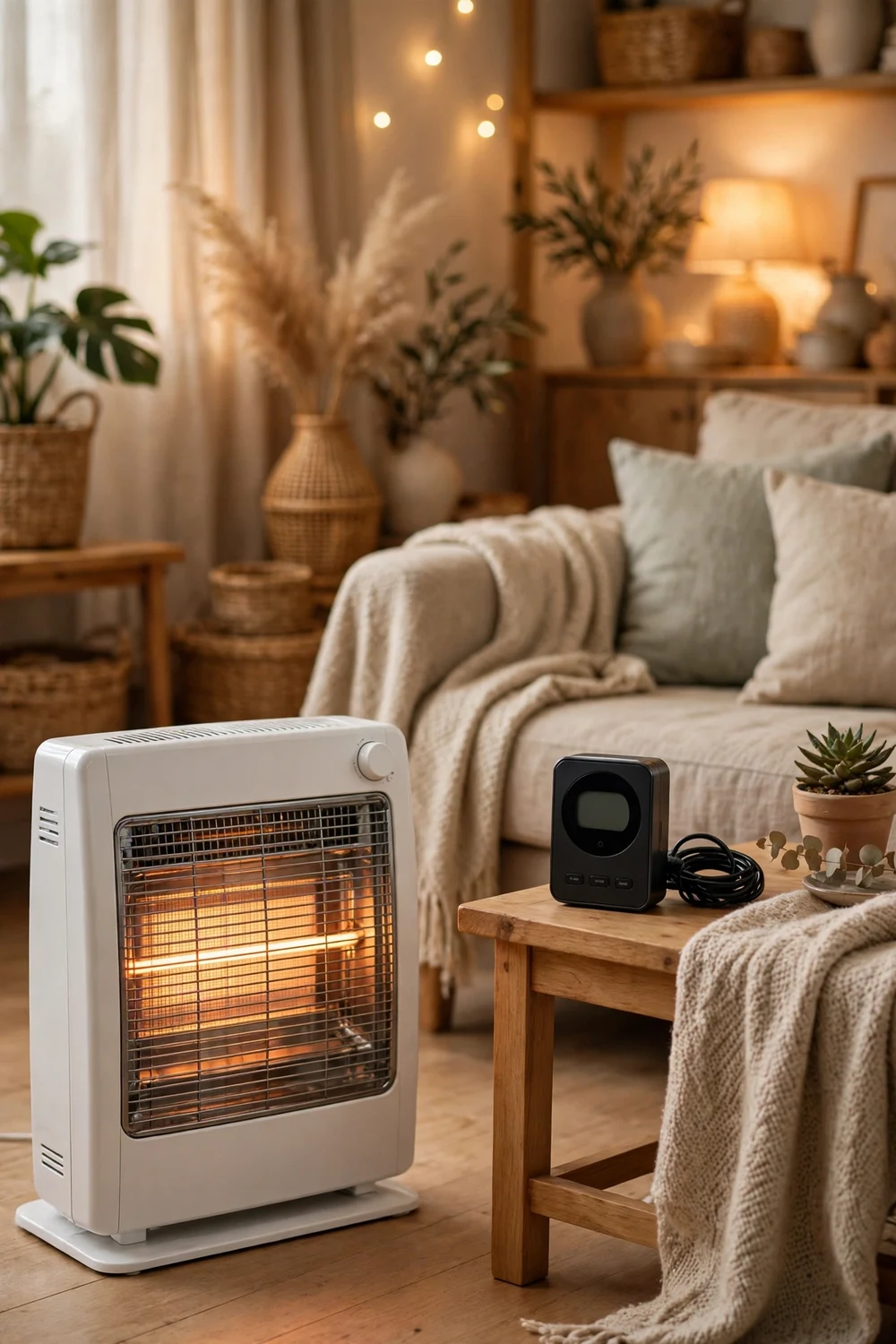
The question everyone asks is the one nobody wants to answer: how much will this cost me? The honest answer is that it depends on the heater’s wattage, your electricity price, and how long you run it. A typical 1,500-watt heater running for one hour uses 1.5 units of electricity; multiply that by your price per unit and by the hours you run it, and you have your daily cost. A heater on full power all evening will cost real money, while the same heater on a thermostat, cycling on and off, costs far less.
To keep costs down, heat the room you are in rather than the whole house, close the doors, use the thermostat instead of full power, and switch the heater off when you leave the room. A draught excluder and thick curtains can save more money than any heater upgrade, because they keep the warm air you have already paid for. Think of a space heater as a scalpel, not a sledgehammer: targeted warmth, in one room, for the hours you need it — that is where it beats central heating on cost.
14. The 2026 Vornado SRTH Recall — Check Your Model Label
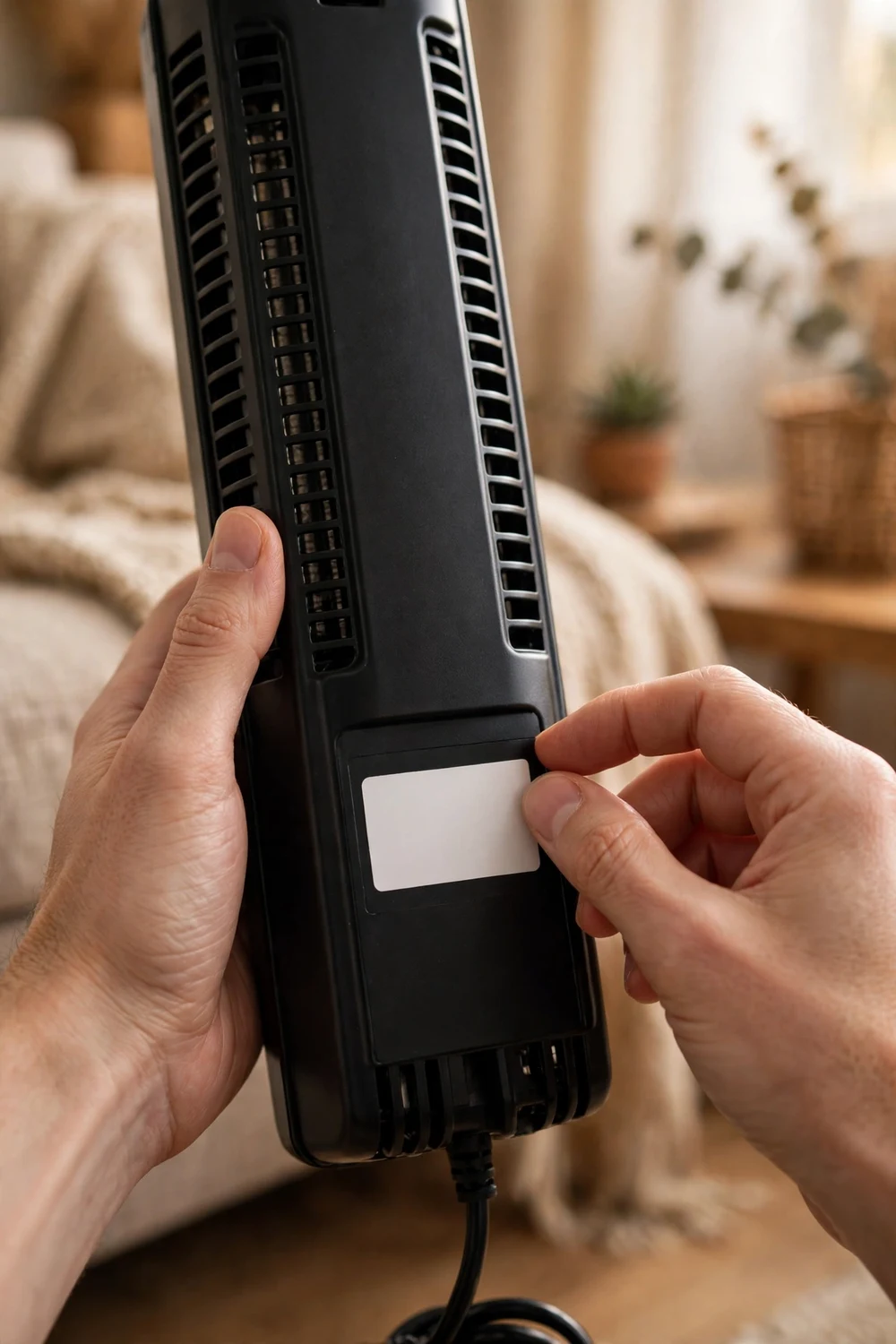
Before you buy — or if you already own a Vornado heater — there is one recall to know about. In June 2026, the U.S. Consumer Product Safety Commission announced recall number 26-532, covering about 255,000 Vornado SRTH small room tower heaters, announced on 4 June 2026. If you own a Vornado tower heater, check the model name on the label on the bottom or back of the unit and compare it with the recall notice before you use it again.
This is a useful reminder for every heater, not just this one: check the model name on the label when you buy, keep the box and the receipt, and register your product with the maker if they offer it, so recall notices reach you. A recall does not mean all heaters are unsafe — it means one model had a problem and the system caught it. Checking your label takes two minutes, and it is the simplest safety habit in this whole guide.
15. How to Choose the Right Space Heater for Your Room
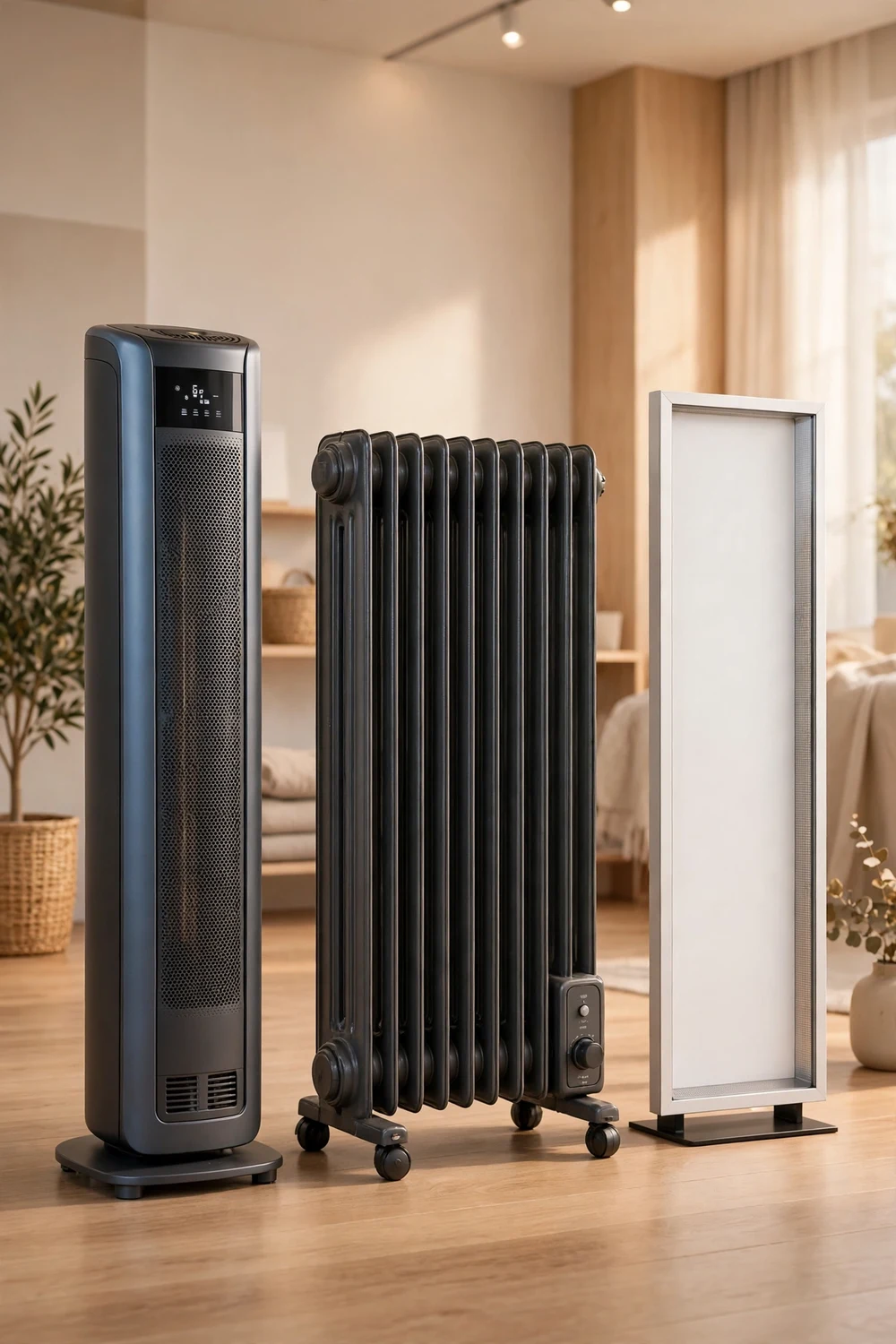
So how do you actually choose? Start with the room: measure it, notice the draughts, and decide whether you need fast heat, steady heat or silent heat. Then match the type: ceramic tower for most rooms, oil-filled for bedrooms and long evenings, infrared for one person in one spot, fan for quick bursts, fireplace-style for atmosphere, wall-mounted for small spaces. Then check the safety list — tip-over, overheat, direct wall plug — and the running cost, and finally decide whether you want smart features or simple buttons.
The best space heater is not the most expensive one, and it is not the one with the most features. It is the one that fits your room, your routine and your budget, and that you will actually use safely every day. Pick the type that matches your room from this guide, check the safety features, and enjoy a warm winter — toasty, warm and snug, exactly as it should be.
Frequently Asked Questions
What is the best type of space heater for a bedroom?
An oil-filled radiator or a quiet ceramic heater with a sleep mode is usually best for a bedroom, because both are quiet, warm the room steadily and have the safety features you need while you sleep.
Is it safe to leave a space heater on overnight?
Only a heater with tip-over and overheat protection, a thermostat and a timer, placed with clear space around it and plugged directly into a wall socket, should ever be left running overnight — and even then, a timer that switches it off after you fall asleep is the safer choice.
Can I plug a space heater into an extension cord?
No. Space heaters draw a lot of power and should always be plugged directly into a wall socket. Extension cords and power strips can overheat and are a common cause of heater fires.
How much does a space heater cost to run?
A typical 1,500-watt heater uses 1.5 units of electricity per hour on full power. Multiply by your electricity price per unit and the hours you run it for your daily cost — using the thermostat instead of full power cuts the cost a lot.
What is the 2026 Vornado SRTH recall?
Recall number 26-532, announced by the U.S. Consumer Product Safety Commission on 4 June 2026, covers about 255,000 Vornado SRTH small room tower heaters. Check the model name on your heater’s label against the recall notice.
Which space heater is best for a large room?
A high-wattage ceramic tower or oil-filled radiator with oscillation and a proper thermostat works best for large rooms, and two smaller heaters at opposite ends often beat one big one.
Are ceramic heaters better than oil-filled radiators?
Neither is better overall — ceramic heaters warm a room faster and are lighter, while oil-filled radiators are silent and give steady heat for longer. Choose ceramic for fast warmth and oil-filled for quiet, long evenings.
Conclusion
The best space heaters 2026 are a toolbox, not a single product: a ceramic tower for the all-round win, an oil-filled radiator for silent nights, an infrared panel for instant personal warmth, and a smart model for the days you want the house warm before you even get home. Add the safety rules — tip-over and overheat protection, a direct wall plug, clear space around the heater — and the cost sense to heat only the room you are in, and you have everything you need for a warm winter. Do not forget to check your model label against the 2026 Vornado SRTH recall, pick the heater that fits your room, and stay toasty, warm and snug all season long.
More You Will Love
If you enjoyed this guide, you will love these too: 15 best smart home gadgets 2026 15 best air fryers 2026 15 best humidifiers 2026.