A Seat, A Request, and a Viral Argument
A woman boarded a flight, settled into the first-class seat she had paid for, and expected a quiet trip. Before take-off, she was approached and asked whether she would give up her seat so a child could sit with family — in other words, she was asked to move for a child. She said no. Later, she shared the experience in a short video online — and the internet exploded. Millions of people watched, and the comments split into two passionate camps: those who said she was completely right, and those who said she should have moved.
Why did such a small moment cause such a big argument? Because it touches something almost everyone has felt: the tension between what we paid for and what kindness seems to ask of us. This is the story, both sides of the debate, and what it teaches about travelling, boundaries, and asking for help.
What Happened
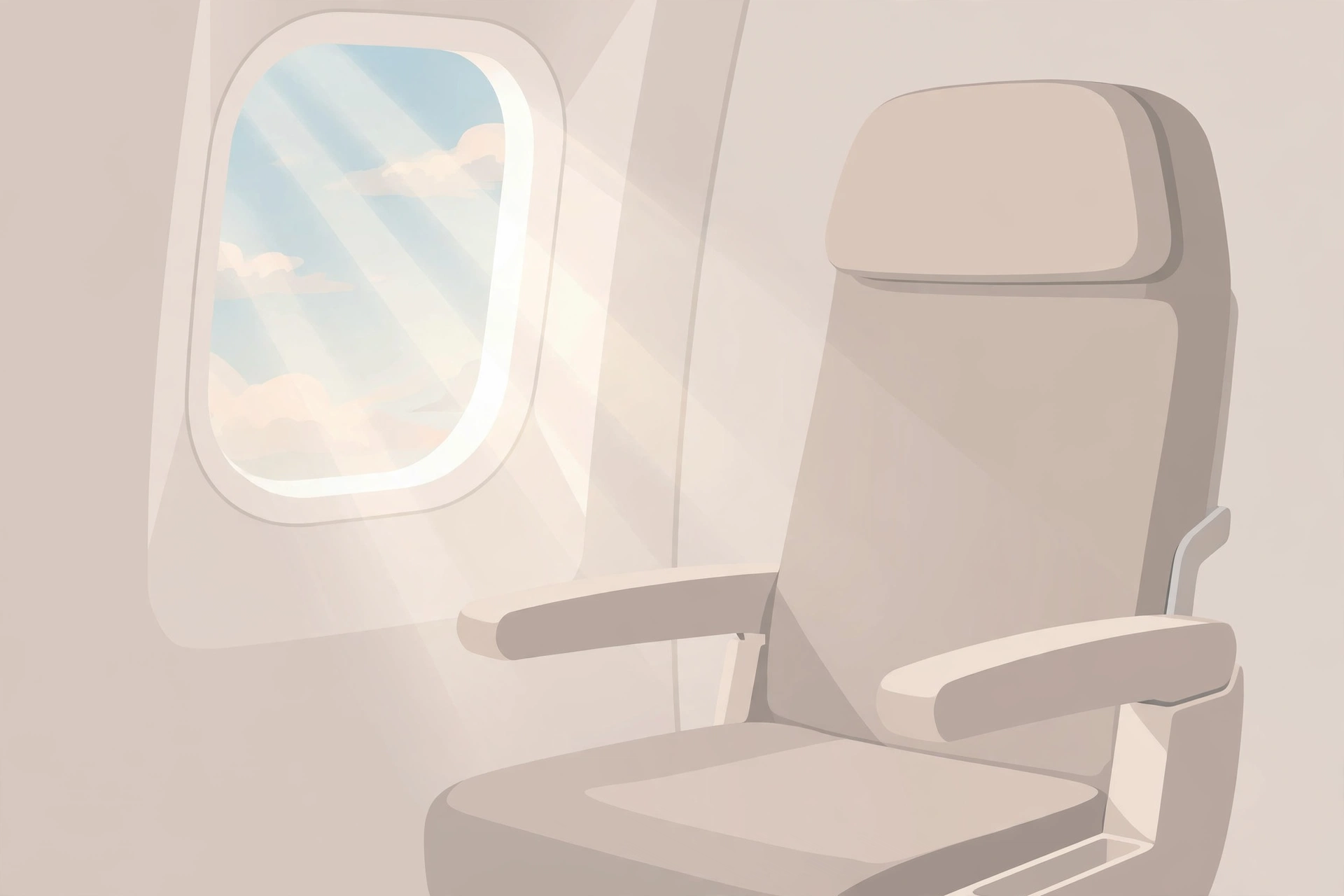
According to the account she shared, the woman had chosen and paid for her first-class seat in advance — seat 1A. After boarding, a gate agent approached her and asked if she would move so that a child could sit with family members. She declined. The request was simple: move for a child so the family could sit together. She later said she had paid for that specific seat and did not feel obliged to give it up.
When she posted about the experience, reactions poured in. Some viewers praised her for holding her boundary. Others criticised her, arguing that a child being separated from family was a small problem she could have solved. The debate quickly grew far beyond one flight, because almost everyone could picture themselves in one of the two roles: the passenger who paid, or the parent trying to keep a family together.
Why So Many People Sided With Her
The strongest argument for her side is simple: she paid for the seat. First-class seats cost far more than standard seats, and passengers choose them for specific reasons — extra space, a better position, or comfort for health reasons. A paid seat is not a favour; it is a purchase. Her supporters argued that being asked to move for a child does not create an obligation to do it. From this view, asking a passenger to give up a seat they chose and paid for is asking them to absorb someone else’s planning problem.
Supporters also pointed out that seating families together is normally the airline’s job, not a stranger’s. When families book late, choose basic fares, or skip seat selection to save money, the result can be scattered seats. Many commenters argued that the solution should come from the airline — rebooking, offering compensation, or finding another volunteer — rather than pressuring one passenger who had already paid.
Why Others Thought She Should Have Moved
The other side saw it differently. To them, the request to move for a child was a small kindness that would have cost her little: a different seat, perhaps even an equally good one, in exchange for a child sitting with their family. They argued that compassion matters more than being technically right, and that a few hours of discomfort is a small price for helping a child feel safe.
Some also questioned whether the request was really so unreasonable. Families do sometimes end up separated despite their best efforts — flights change, bookings get shuffled, and seat maps can be confusing. From this perspective, refusing felt cold, even if it was within her rights. The debate, in other words, was not really about airline policy. It was about what kind of stranger we want to be.
Both Sides Have a Point
Here is the uncomfortable truth: both sides are partly right. The question at the heart of every move for a child debate is whether being right and being kind are the same thing. The passenger was within her rights, and kindness would still have been a beautiful choice. Being right and being kind are not the same thing — and neither one cancels out the other. The reason this story went viral is that it refuses to resolve neatly. There is no villain here, only two reasonable positions that happen to collide in a metal tube at 35,000 feet.
It is also worth remembering that strangers owe each other basic courtesy, not unlimited sacrifice. A polite “no” is a complete answer. At the same time, a polite request is not an attack. The healthiest version of this story would have been: a request made without pressure, an answer given without guilt, and an airline stepping in with a real solution.
A Second Story From the Same Debate
The same discussion brought up a second, similar situation: a passenger who had paid for an extra seat — for comfort and space — was asked to give it up for a young child. Again, the passenger declined, and again, opinions divided. The pattern is the same: a paid-for seat, a request framed as a favour, and a stranger caught between a boundary and a plea for kindness. These stories keep recurring because the underlying situation never changes: airlines sell seats individually, but families travel as groups, and somebody has to bridge the gap.
What To Do If You Are Asked to Move
If you are ever asked to move for a child and give up your seat, you have every right to decide for yourself. A calm approach helps everyone. First, ask what you are being offered in return — the same class, a comparable seat, or compensation. Second, consider your own needs: health, connections, or a seat you chose for a reason. Third, remember that “no” is a complete answer, and it does not require a long justification.
If you do decide to move, that is generosity, and it deserves a thank-you — not an expectation. And if you are the one asking, ask once, accept the answer gracefully, and remember that the person in the seat may have reasons you cannot see. The kindest request is one that leaves the other person free to say no.
What Airlines Could Do Better
Much of this conflict could be prevented before boarding. Airlines could seat young children with a parent automatically at booking, without extra fees. Gate agents could offer clear alternatives — an equivalent seat, a voucher, or a cabin upgrade — instead of relying on passenger goodwill. And booking systems could warn families clearly when their seats are scattered, so they can fix it before they reach the gate. Until that happens, every move for a child story will keep going viral, and these viral seat stories will keep coming.
Boundary debates like this one appear in many areas of life — see this story about a child-free wedding policy, and these stories that remind us kindness lights the way forward. For something lighter, try these fun facts that will blow your mind.
Frequently Asked Questions
Was the passenger wrong to refuse to move for a child? She was within her rights: she had paid for the seat. Whether moving would have been kinder is a matter of opinion, which is why the debate continues.
Should airlines seat children with their parents? Most people agree they should, and many airlines now try to. The problem usually appears when bookings are made late or seats are chosen separately.
What should I do if someone asks for my seat? Ask what is being offered, consider your own needs, and give a calm, clear answer. You are never obliged to justify a polite “no.”
Is it rude to ask a stranger to move? A single polite request is not rude. Pressure, guilt, or repeated asking after a refusal is where it crosses the line.