There is a very specific kind of excitement that hits the beauty world when a famous head of hair goes under the scissors — and right now, we are living through a full-blown chop season. Over the past few days, celebrity bob haircuts have gone from a quiet red-carpet murmur to the loudest hair conversation of 2026, and honestly? We are not surprised. The bob has always been the haircut equivalent of a power move: short, decisive, impossible to ignore.
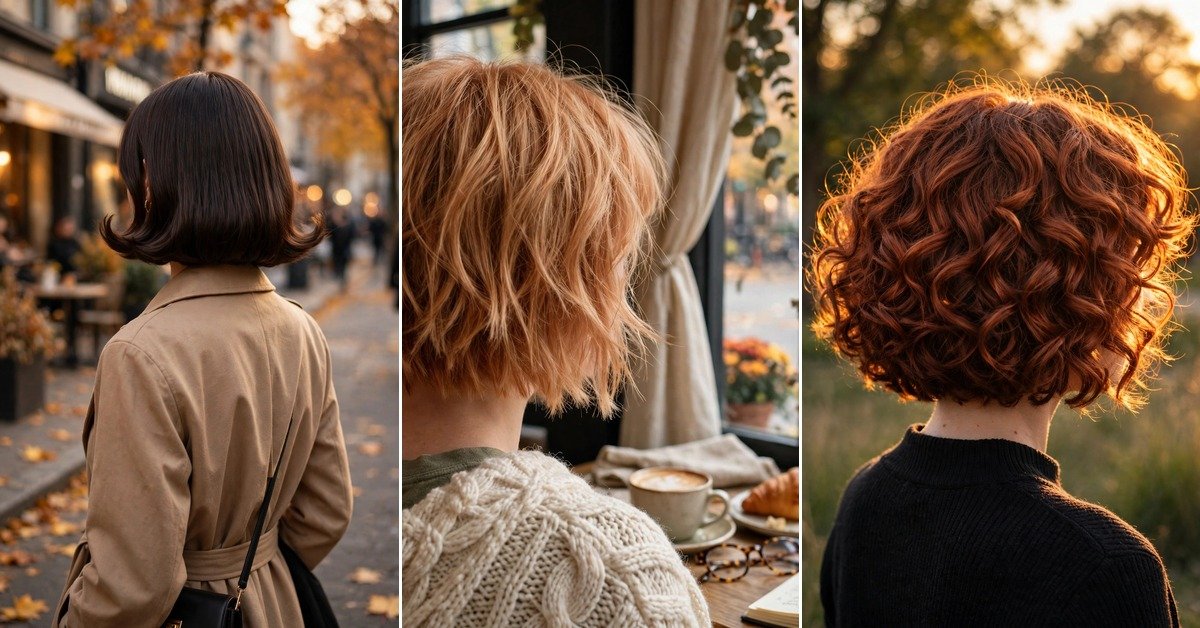
According to reports, Ariana Grande traded her signature long ponytail for a short bob with flipped ends, debuting the look in an Instagram carousel on October 22. The very next wave of buzz came when Billie Eilish appeared in an Instagram video on October 22 with a choppy strawberry-blonde-to-auburn bob that fans on social media noted looked completely different from anything she has worn before. Meanwhile, Taylor Swift has also been seen with noticeably shorter hair in recent appearances. And to put the official stamp on it, Vogue has declared the bob one of the biggest hair trends of 2026. When that many icons pivot to short hair in the same week, it stops being a coincidence and starts being a movement.
Before we dive into the fifteen styles, a quick reality check: these are not carbon copies of anyone’s hair. Think of them as the best versions of the bob — fifteen variations inspired by the energy of the moment, each one a look any stylist can actually cut. If you loved the mood of our fall hairstyles 2026 roundup, consider this its bolder, sharper, short-haired sibling.
15 Celebrity Bob Haircut Variations To Show Your Stylist
Here is the part where you screenshot, save, and start a serious group-chat debate. Each of these fifteen cuts rides the same 2026 wave — sharp, modern, and endlessly customizable — but each one has its own personality.
1. The French Bob
The original cool-girl cut and still the gold standard. The French bob sits right around the cheekbone or jaw, with a weightless, airy finish that looks like you simply woke up in Paris. What makes it a 2026 favorite is the deliberate imperfection — it is not supposed to look polished, which is exactly why it photographs so well. It works beautifully on straight and slightly wavy hair, and it has a way of making cheekbones look sculpted without a drop of contour.
2. The Chin-Length Choppy Bob
If the French bob is the romantic one, this is its rebellious cousin. Cut right at the chin with choppy, piece-y ends, this version has texture built directly into the cut, so it never falls flat. It is the kind of style that looks better a little messy, which makes it perfect if you are low on styling patience. A pea-sized amount of texturizing cream scrunched into the ends is genuinely all it takes most mornings.
3. The Lob (Long Bob)
The lob remains the most commitment-friendly entry in the bob family — long enough to pull back into a low ponytail on lazy days, short enough to read as a genuine chop. Hitting somewhere between the chin and the collarbone, it suits nearly every face shape and hair texture, which is exactly why it never really leaves the trend cycle. If you are bob-curious but nervous, this is your safe landing spot.
4. The Bob With Bangs
Bangs change everything — they turn a simple bob into a full statement. Wispy, curtain-style bangs keep things soft and grown-up, while a heavier fringe makes the whole cut feel editorial and bold. The 2026 version leans airy rather than severe: think texture, not a solid wall of hair. One honest warning though — bangs need trims every three to four weeks, so budget for the upkeep before you commit.
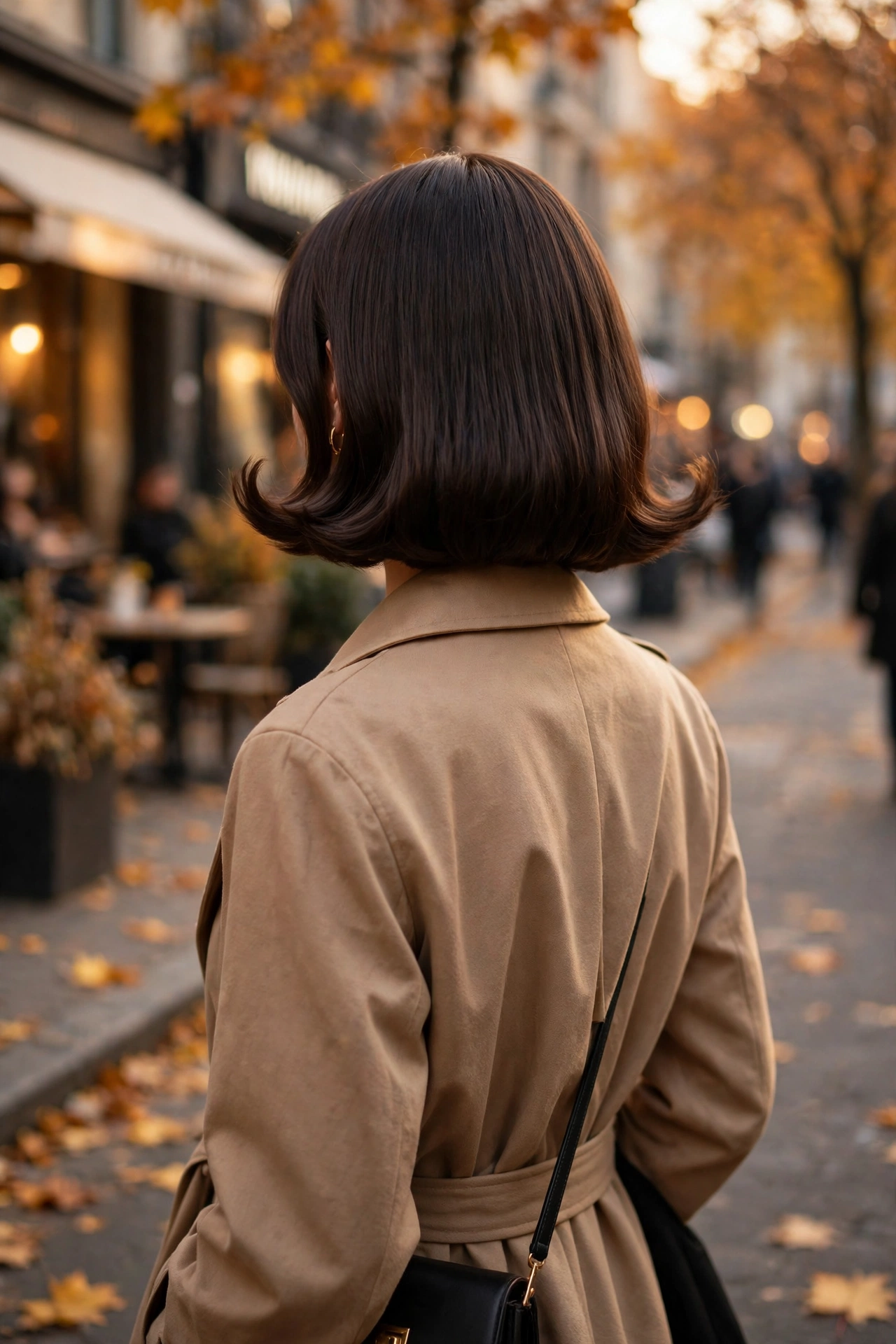
5. The Flipped-Ends Bob
This is the cut with the most momentum right now, and you can see why: the ends flip outward instead of tucking under, giving the whole style a bouncy, retro, slightly 60s energy that reads fresh rather than vintage. It is especially flattering on fine hair because the flip creates the illusion of volume and movement. All you need is a round brush and five minutes, or even just a large-barrel curling iron flicked outward at the ends.
6. The Textured Shaggy Bob
Part bob, part shag, all attitude. Layers are cut throughout — not just at the ends — so the hair moves, separates, and catches light from every angle. This is the variation for anyone who wants their hair to look like it has a personality of its own. It is also a secret weapon for thick hair, since the layers remove bulk without sacrificing length.
7. The Sleek Glass Bob
The opposite end of the spectrum: pin-straight, mirror-shine, not a single hair out of place. The glass bob is cut blunt with zero layers so it falls like a curtain of silk, and it demands shine — a smoothing serum and a flat iron with beveled plates are non-negotiable. It is the most high-maintenance of the fifteen in terms of daily styling, but the payoff is a look that turns heads in every single room.
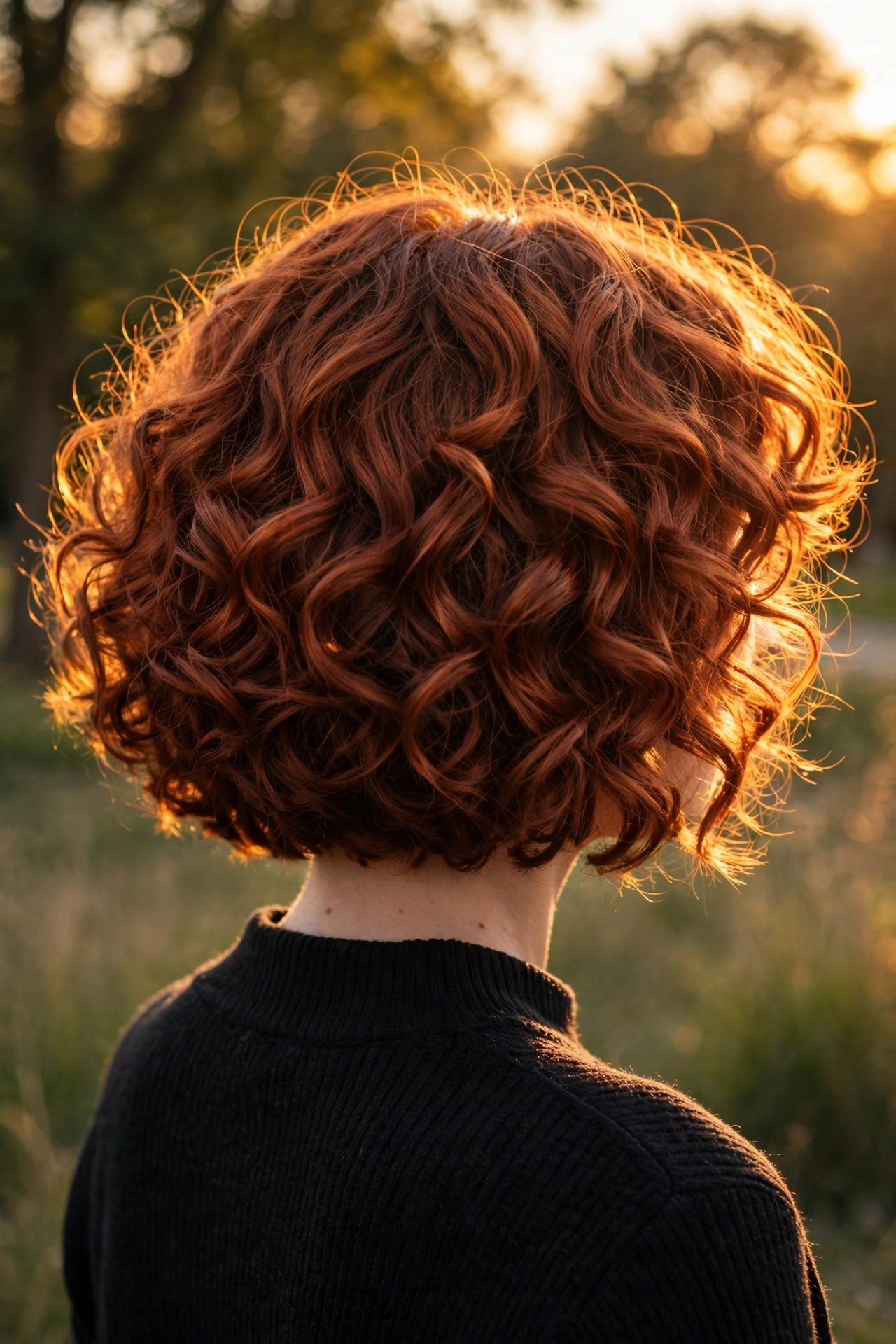
8. The Curly Bob
Curly girls, this is your era. A bob cut specifically for curls — with layers shaped to let each curl spring up and sit exactly where it wants — gives you volume, definition, and a shape that frames the face beautifully. The key is finding a stylist who cuts curls dry, so they can see where each curl actually lands. The result is bouncy, joyful, and completely your own.
9. The Asymmetrical Bob
Longer on one side, shorter on the other — the asymmetrical bob is the cut for anyone who finds symmetry a little boring. The difference can be subtle (a barely-there inch) or dramatic (several inches of difference), and both versions photograph incredibly well because the angle creates natural movement. It is particularly striking on straight hair, where the clean lines of the cut really show.
10. The Blunt Bob
One length, sharp as a paper cut, zero apologies. The blunt bob is the minimalist’s dream — every strand ends at the same line, which makes fine hair look dramatically thicker and gives the whole style a crisp, architectural feel. It grows out gracefully too, slowly becoming a lob, so you get two haircuts for the price of one.
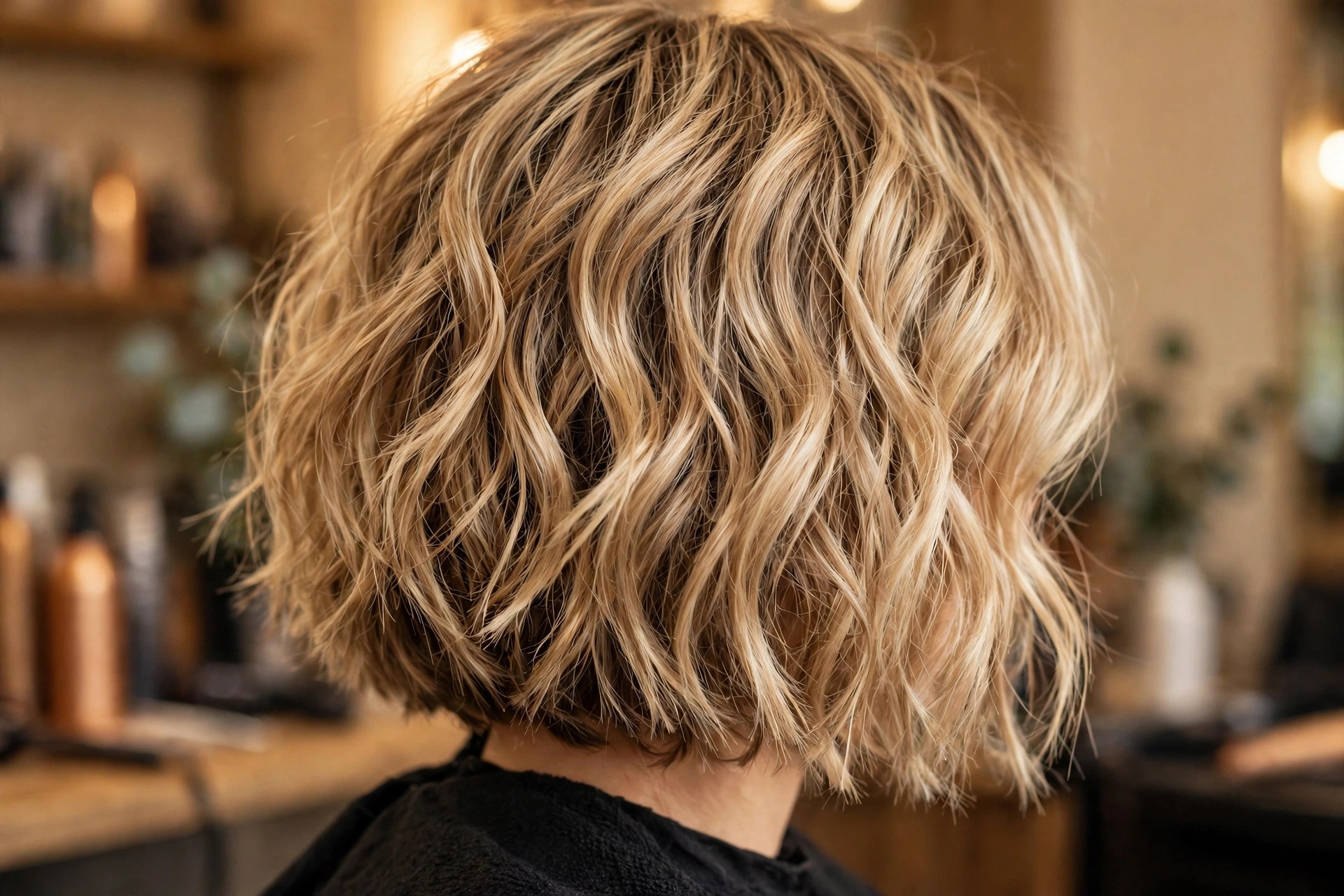
11. The Wavy Beachy Bob
Salt-spray hair without the salt or the spray (okay, maybe a little spray). Loose, undone waves through a chin-to-shoulder bob give you that effortless “I just came from somewhere fun” texture that works for literally every occasion. It is one of the most forgiving variations — second-day hair actually styles better than fresh hair here, so it rewards the lazy among us.
12. The Layered Bob
Layers are the bob’s built-in volume button. Cut through the mid-lengths and ends, they keep the shape from looking heavy or helmet-like, especially on thick or dense hair. The 2026 take keeps layers soft and blended rather than choppy and obvious — movement you feel more than you see.
13. The Side-Parted Bob
Sometimes the biggest change costs nothing at all. Shifting your part to the side instantly adds volume at the crown, softens a strong jawline, and gives any bob a completely different silhouette. It is also the fastest way to make a growing-out cut look intentional again. If your bob is feeling stale, try the side part before you book the scissors.
14. The Micro Bob
The bravest cut on this list. The micro bob ends high — around the cheekbone or even the ear — and it is pure confidence in haircut form. It puts your face completely on display, which means your bone structure does all the talking. This is not a cut you ease into; it is a cut you commit to, and the people who wear it best are the ones who do exactly that.
15. The Grown-Out Lob
Here is the insider secret of the bob world: the grown-out phase is a legitimate style, not an awkward in-between. A lob that has relaxed past the collarbone, with soft ends and lived-in texture, looks expensive and effortless in a way a fresh cut sometimes cannot. If you are currently growing out a shorter bob, stop apologizing for it — you are accidentally wearing one of the chicest looks of the year.
How To Ask Your Stylist For The Cut
Walking into a salon and saying “give me a bob” is like walking into a restaurant and saying “bring me food” — technically correct, practically useless. Here is how to get the cut you actually want.
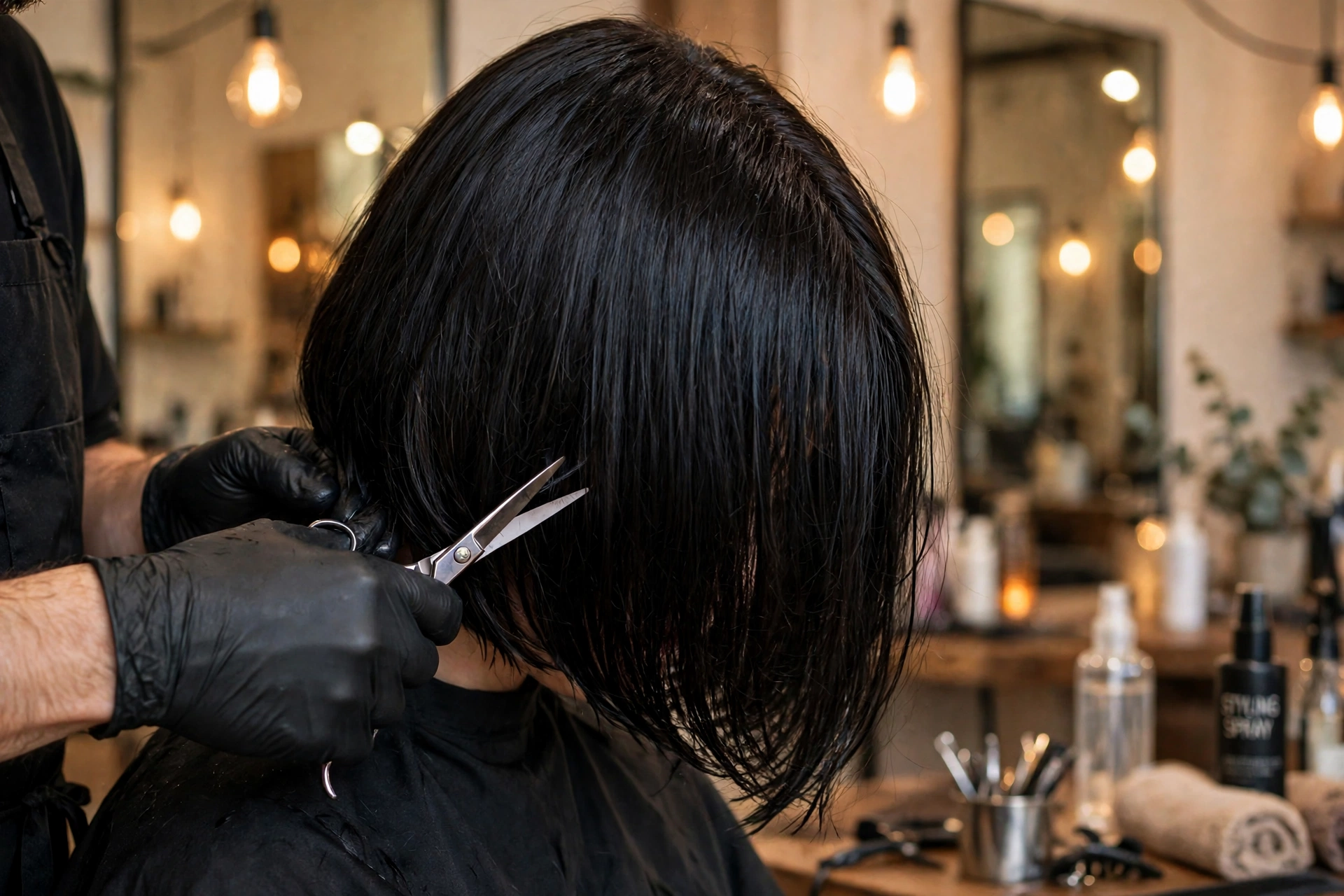
Bring pictures, plural. One photo is a wish; three photos are a pattern. Save images of the exact variation you want from different angles — front, side, and back if you can find them. Your stylist needs to see what you mean by “choppy” versus “blunt,” because those words mean different things to different people.
Speak in specifics, not vibes. Tell your stylist exactly where you want the length to hit: chin, jawline, collarbone — point to the spot on your own neck if you have to. Mention whether you want layers or one clean length, and whether you like your ends tucked under or flipped out. The more concrete you are, the less guesswork is involved.
Talk about your real life. Be honest about how much styling time you have in the morning. A sleek glass bob on someone who never touches a flat iron is a recipe for regret, while a textured shaggy bob on someone who loves polished looks will feel messy. A good stylist will steer you toward the variation that fits your actual routine, not your fantasy routine.
Ask about the grow-out. Before the first snip, ask: “What will this look like in eight weeks?” Some cuts — like the blunt bob — grow out gracefully into a lob. Others, like the micro bob, hit an awkward stage fast. Knowing the timeline helps you plan trims (most bobs need one every six to eight weeks to keep their shape).

Who Suits A Bob?
Short answer: far more people than think they do. The bob is not one haircut — it is a family of haircuts, and there is a member of the family for almost every face shape and hair type. Here is the honest breakdown.
Oval faces can wear virtually any bob on this list — you are working with the most versatile face shape there is, so choose based on personality rather than rules. Round faces tend to look best with length that falls below the chin (the lob, the grown-out lob) or with height at the crown, which elongates the face; avoid cuts that end right at the widest point of the cheek. Square faces are softened beautifully by texture and waves — the wavy beachy bob or the layered bob — while a severe blunt cut can emphasize angles (which, to be fair, some people love). Heart-shaped faces shine with chin-length fullness that balances a narrower chin, like the flipped-ends bob. Long faces benefit from bangs or width at the sides, which is where the bob with bangs earns its keep.
As for hair types: fine hair loves blunt cuts and flipped ends, both of which create the illusion of density — our guide to hairstyles for thin hair has even more volume-building ideas. Thick hair needs internal layers or thinning to keep a bob from turning into a triangle. Curly and wavy hair should always be cut dry by someone experienced with texture, because curls shrink and every curl has its own agenda. And straight hair shows every line of the cut, which is both a blessing (crisp, clean shapes) and a demand (regular trims).
Styling Tips To Keep Your Bob Looking Fresh
The chop is the easy part. Keeping a bob looking like the day you left the salon is where the real skill lives — but it is simpler than you think.
Master the two-minute refresh. Most bobs do not need a full restyle every morning. A quick blast with a blow dryer at the roots (head upside down for volume), a flick of the ends with a brush or iron, and you are done. Dry shampoo at the roots on day two adds grip and lift.
Invest in the right products, not more products. A lightweight heat protectant, a texturizing spray, and a smoothing serum cover ninety percent of bob styling. Fine hair should avoid heavy oils near the roots — they flatten everything the cut worked to build. If your strands are on the finer side, pair your bob with one of these winter hairstyles 2026 care routines to keep volume alive through the colder months, when hats and dry air conspire against you.
Sleep smart. A silk or satin pillowcase reduces friction overnight, which means less frizz and fewer weird kinks to fix in the morning. For wavy and curly bobs, the “pineapple” method — loosely gathering hair at the very top of the head — preserves curl shape while you sleep.
Do not skip trims. This is the one rule with no exceptions. A bob’s entire magic is its shape, and shape fades as ends grow uneven. Every six to eight weeks keeps the lines crisp. Think of it like nail appointments — maintenance is the look.
Play with parts and texture. A middle part reads modern and sleek; a side part adds volume and softness; a zigzag part adds playful texture. Switching your part is free, takes ten seconds, and can make a months-old cut feel brand new. Same goes for finishing: sleek one day, tousled the next, tucked behind one ear when you want to show off earrings.
FAQ: Celebrity Bob Haircuts
What exactly are celebrity bob haircuts, and why is everyone talking about them?
“Celebrity bob haircuts” is the umbrella term for the wave of short, chin-to-shoulder cuts that famous faces have been debuting — most recently the October 2026 chops that had beauty feeds buzzing for days. The conversation is loud because the bob is having a genuine moment: Vogue named it one of the biggest hair trends of 2026, and when multiple style icons go short in the same week, salons feel the ripple effect almost immediately.
How do I know which bob variation suits my face shape?
Start with length: if your face is round, aim for cuts that fall below the chin or add height at the crown; if it is long, bangs or side volume help balance proportions. Then consider your hair’s natural texture — fine hair loves blunt lines, thick hair needs layers, and curls need a dry cut. When in doubt, bring three reference photos to your stylist and ask which variation they would cut for your face. A good stylist will be honest.
How often does a bob need trimming?
Every six to eight weeks for most variations. Shorter, more precise cuts like the micro bob or the sleek glass bob may need attention closer to every five weeks, while longer versions like the lob can stretch to eight or ten. Bangs are the exception — they typically need a tidy-up every three to four weeks to stay out of your eyes.
Can I get a bob if my hair is very fine or thin?
Absolutely — in fact, the bob is one of the best cuts for fine hair. Blunt ends make hair look instantly thicker, and flipped-out ends create the illusion of volume and movement. Avoid heavy layering, which can make fine hair look stringy, and ask your stylist about subtle internal texture instead. Lightweight volumizing products at the roots do the rest.
Will a bob work with curly hair?
Yes, and beautifully — but the cut has to be designed for curls, not adapted from a straight-hair template. Look for a stylist who cuts curly hair dry, so they can see exactly where each curl springs. Layers shaped around your curl pattern prevent the dreaded triangle shape and give you a rounded, bouncy silhouette that frames the face. Expect a little extra styling time on wash days, and a lot of compliments in return.