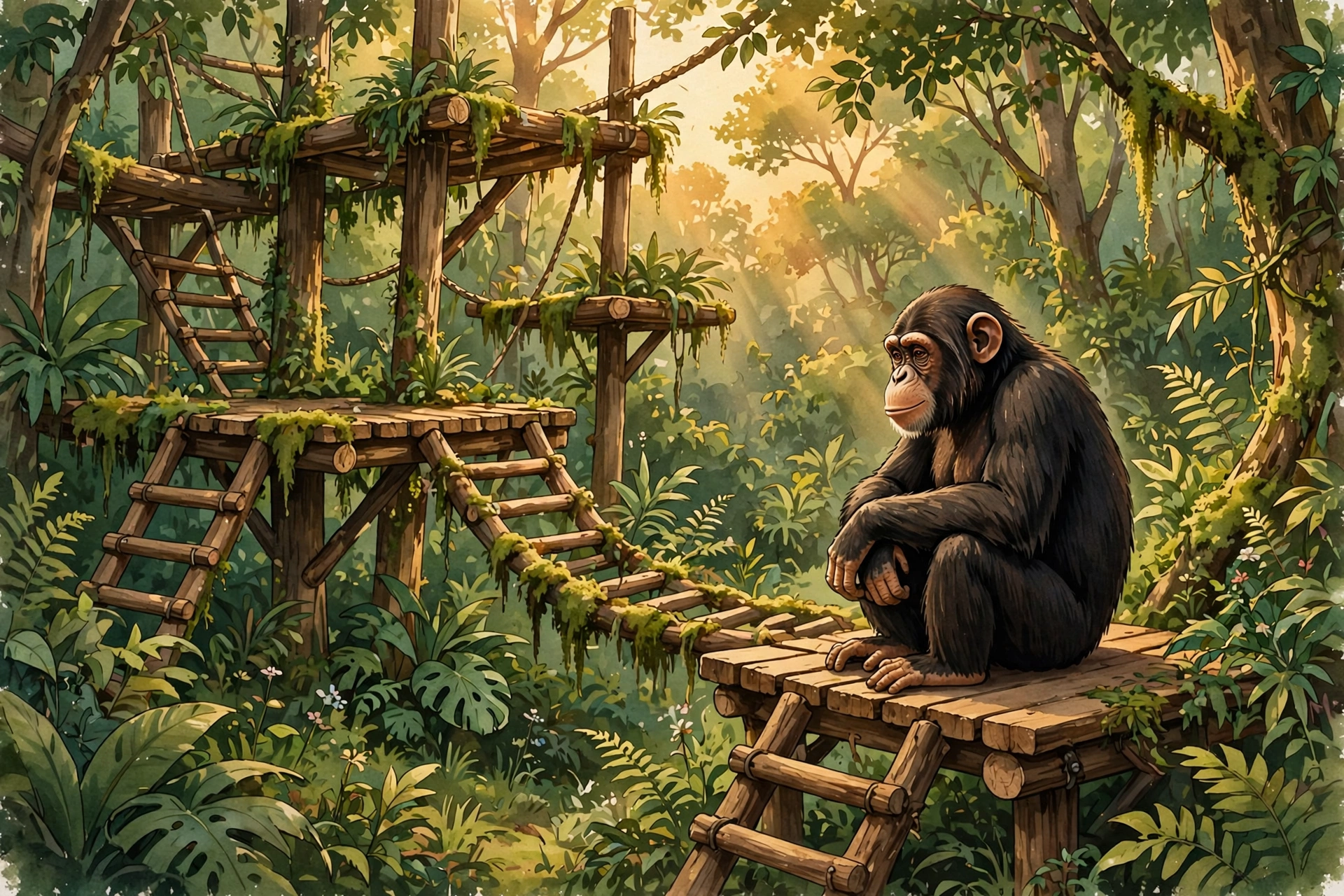
Who Is Chimp Bubbles?
The story of Chimp Bubbles is one of the most talked-about animal stories of the past forty years. Born in 1983 in a research facility in Texas, he became widely known in the 1980s when he appeared in public alongside Michael Jackson. Photographs and television clips showed a young chimpanzee travelling and posing beside one of the most famous musicians in the world.
Today, the picture looks very different. Bubbles is now 43 and lives quietly at a sanctuary in Florida, far from cameras and tours. His life has changed from public attention to calm care among other chimpanzees. His story is a reminder that fame is not a suitable life for a wild animal.
Michael Jackson’s family still draws attention, as seen in Paris Jackson’s red carpet look, but Bubbles’ story has taken a quieter direction. He is now cared for as a chimpanzee with his own needs and social bonds.
From the Spotlight to the Sanctuary
In the 1980s, Chimp Bubbles was often described as Michael Jackson’s companion. He travelled with the singer and became a familiar face in celebrity coverage. At that age, he was small, playful, and easy to carry. To the public, he looked like a pet. In reality, he was a young wild animal growing quickly into a strong adult.
As chimpanzees grow, they become far too strong, unpredictable, and socially complex to live in a human home. They need large spaces, the company of their own kind, and routines built around natural behaviour. That is why Bubbles eventually left that life behind. In 2005, he moved to the Center for Great Apes sanctuary in Wauchula, Florida, where he could live among other chimpanzees with expert care. Celebrity stories travel far, much like the viral nose job divorce story, but his move was not about headlines. It was about giving a growing ape a proper home.
The move also reflected wider change. Keeping exotic animals as pets was once treated as glamorous. Today, experts widely agree that chimpanzees should not be kept as pets. They belong in environments designed for their needs, with trained caregivers and veterinary support.
Life at the Florida Sanctuary for Chimp Bubbles
Life at the Florida sanctuary for Chimp Bubbles is calm, spacious, and built around chimpanzee behaviour. The Center for Great Apes in Wauchula provides large habitats where residents can climb, explore, rest, and spend time with other chimpanzees. Instead of living alone with people, Bubbles lives as part of a social group, which is essential for his wellbeing.
Sanctuary life is not about tricks or public appearances. It is about choice. Residents can choose where to spend time, which companions to sit near, and when to rest. Caregivers provide food, enrichment, and medical care. That steady routine reduces stress and allows natural behaviours such as grooming and foraging to take centre stage.
How Chimpanzees Age
Chimpanzees can live into their 50s and 60s in captivity, and Chimp Bubbles at 43 is well into his adult years. In the wild, life is often shorter because of disease, injury, and competition for food. In a well-run sanctuary or zoo, regular food, veterinary care, and protection from predators help chimpanzees live longer.
As chimpanzees age, they may move more slowly, rest more often, and prefer familiar companions and routines. Their coats may turn greyer, and their joints may become stiffer. These changes are a normal part of growing older. Older apes need regular health checks, a balanced diet, gentle enrichment, and a stable social group, plus habitats with sunny and shaded resting spots, easy access to food and water, and quiet places to retreat.
Why Chimpanzees Belong in Sanctuaries, Not Homes
Chimp Bubbles’ story helps explain a simple truth: chimpanzees do not belong as pets. Even when they are raised around people from a young age, they remain wild animals with powerful instincts and needs that a home cannot meet. Wild animals deserve respect, as the alligator attack survival story reminds us, and chimpanzees are no exception.
- Strength and safety: Adult chimpanzees are far stronger than humans. A playful interaction can quickly become dangerous.
- Social needs: Chimpanzees are highly social. They need long-term relationships with other chimpanzees, not mainly with people.
- Space and enrichment: They need large, complex spaces to climb, explore, and forage. A house cannot provide that.
- Long lives: With lifespans of 50 years or more in captivity, a chimpanzee is a lifelong commitment.
- Health and care: Chimpanzees need specialist veterinary care, a managed diet, and daily enrichment from trained professionals.
When chimpanzees are kept as pets, they often suffer. They may be separated from their mothers too early, kept alone, fed the wrong diet, or confined to small spaces. When they grow too large to handle, they may be abandoned or kept in poor conditions. Sanctuaries offer a better path.
What Sanctuaries Do for Apes Like Chimp Bubbles
What sanctuaries do for apes like Chimp Bubbles goes far beyond food and shelter. A reputable sanctuary offers a permanent home, not a temporary stop. Residents are not bought, sold, bred, or used for entertainment. They are cared for for life, with decisions made around their welfare.
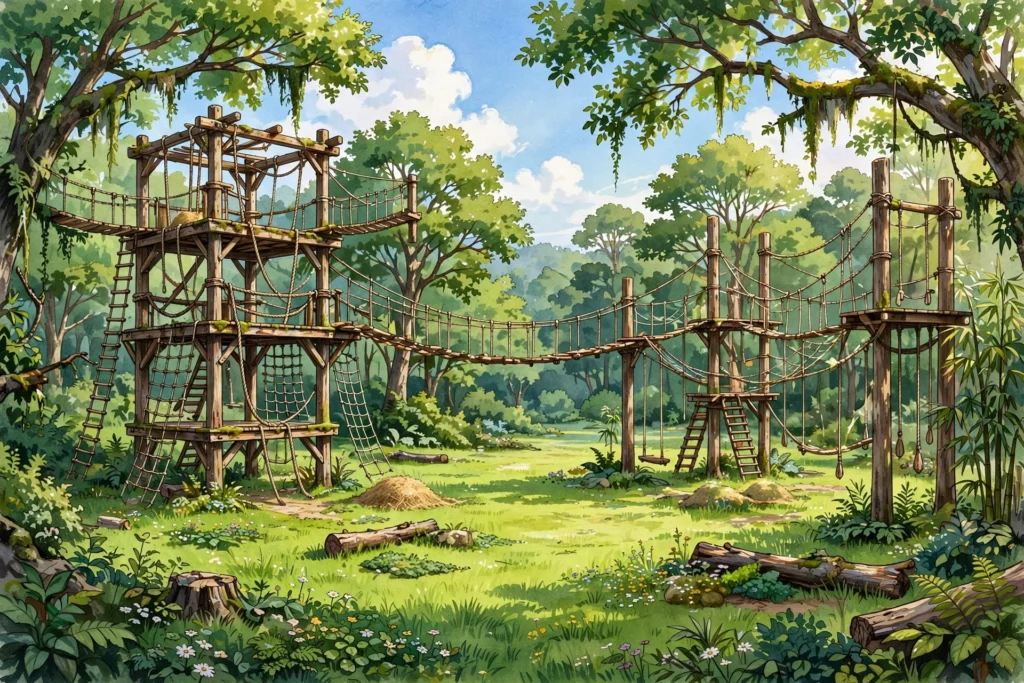
At a good sanctuary, each ape receives an individual care plan. Caregivers learn their personalities, friendships, and comfort levels. Habitats encourage natural behaviour, with climbing frames, platforms, puzzles, and foraging opportunities. Social groups are formed carefully, and veterinary teams provide regular check-ups and treatment when needed.
Sanctuaries also educate the public about why great apes should not be kept as pets or used for entertainment. Bubbles’ story shows a better outcome: an ape who once lived in the spotlight now lives in peace, surrounded by his own kind, with people whose job is to protect him rather than to display him.
FAQ
Is Bubbles still alive?
Yes. Chimp Bubbles is alive at 43 and living at the Center for Great Apes sanctuary in Wauchula, Florida. He moved there in 2005 and now lives in a spacious habitat with other chimpanzees under expert care.
Why did Bubbles move to a sanctuary?
He moved because chimpanzees grow into strong, social adults who cannot live safely in a human home. A sanctuary provides the space, companionship, enrichment, and specialist care an adult chimpanzee needs.
Can chimpanzees be kept as pets?
No. Chimpanzees are wild animals, not pets. They are too strong, too social, and too long-lived for home life, and private keeping often harms both the animal and the people around it. Sanctuaries offer the right environment for apes who cannot live in the wild.